
Seasonal HVAC Maintenance Checklist for Colorado Homes
Colorado homeowners need seasonal HVAC inspections to keep heating and cooling systems operating efficiently and safely throughout the year. In spring, rising temperatures above 60°F signal the need to check refrigerant levels in air conditioning units and remove accumulated leaves, grass clippings, and dirt from outdoor condenser coils. This prevents reduced airflow, improves efficiency, and ensures the system is ready for warmer weather.
During summer, homeowners should monitor condensate drain lines every two weeks to prevent water backup and mold growth inside the system. Measuring the temperature difference between the supply air and return air helps confirm proper cooling performance, with an optimal spread of 15-20°F indicating the system is functioning correctly.
Fall is the time to prepare heating equipment before cold weather arrives. Inspecting the furnace heat exchanger for cracks is essential to prevent dangerous carbon monoxide leaks. Carbon monoxide detectors should be tested throughout the home, and burner assemblies inside the furnace need cleaning to ensure complete combustion and safe operation.
Winter maintenance focuses on keeping heating systems reliable during Colorado’s coldest months. Snow, ice, and debris should be cleared from outdoor exhaust vents and air intake pipes to prevent blockages. Thermostats should be set to steady temperatures to avoid forcing the furnace to work harder with frequent temperature changes. Weekly carbon monoxide detector checks are critical for family safety.
Colorado’s high elevation and variable mountain climate create unique stresses on HVAC systems compared with sea-level environments. Regular maintenance helps prevent system breakdowns, reduces energy costs, extends equipment lifespan, enhances indoor air quality, and protects families from carbon monoxide exposure.
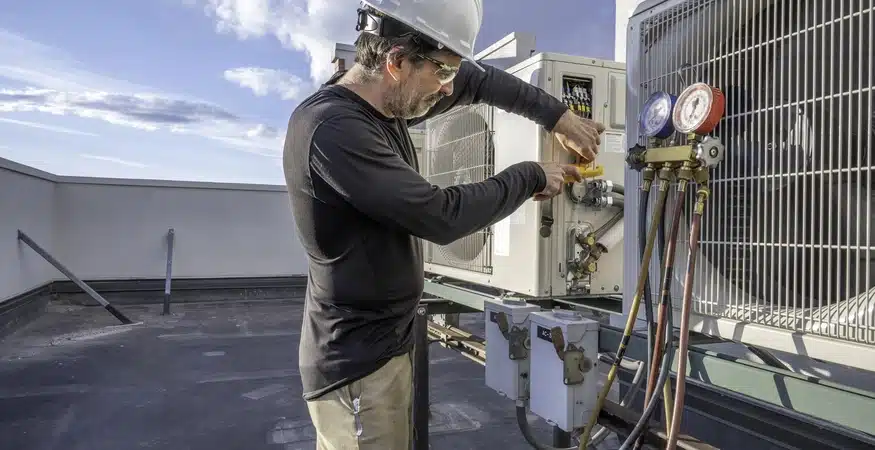
Spring Tasks to Prepare Cooling Systems
As Colorado’s winter freeze-thaw cycle ends and daily temperatures rise above 60°F, homeowners should schedule spring cooling system inspections to prepare for the summer heat. Professional HVAC technicians ensure air conditioners operate safely and efficiently before families rely on them for comfort.
During these service calls, technicians check refrigerant levels, which control the system’s ability to cool the air, and verify that the compressor motor draws the correct electrical current. Thermostats are tested for accuracy, ensuring indoor temperatures match the settings within one degree. These steps optimize performance and prevent system strain during peak summer demand.
The outdoor condenser unit requires thorough attention. Technicians remove leaves, grass clippings, and other debris that block airflow, straighten bent aluminum cooling fins with precision tools, and verify a minimum clearance of 24 inches around the unit as recommended by manufacturers. Adequate spacing ensures proper air circulation and prevents overheating, extending the life of the equipment.
Electrical components receive careful inspection to avoid potential hazards. Wire connections are checked for corrosion, incoming voltage is measured against manufacturer specifications, and contactor switches that start the compressor are tested. These procedures reduce the risk of electrical failure and fire while keeping the system running reliably.
Indoor air quality depends on clean filters. Replacing standard filters with MERV 8-13 rated versions captures dust, pollen, and other small particles, maintaining strong airflow through the system. Restricted airflow forces the air conditioner to work harder, increasing energy costs and wear on the equipment.
Condensate drain lines are flushed with approved cleaning solutions that remove mold, algae, and bacteria. Clear drain lines prevent water backups that could damage walls, ceilings, and flooring, ensuring the system operates safely and efficiently throughout the cooling season.
Summer Efficiency Checks for Peak Performance
During Colorado’s hot summer months, air conditioning systems run for many hours each day, and homeowners need to monitor their equipment weekly to prevent small problems from becoming major failures. Regular system checks keep cooling performance high and energy efficiency optimized throughout the season.
Essential summer monitoring steps include:
Temperature difference measurement – Place accurate thermometers at supply vents and return air points to confirm the air conditioner is producing a 15-20°F temperature drop, ensuring the system is cooling effectively.
Condensate drain line inspection – Examine drainage tubes for clogs or debris that can trap water, leading to mold growth and damage to surrounding building materials.
Refrigerant charge evaluation – Check copper refrigerant lines for ice or frost buildup, which indicates low coolant levels that require prompt attention from a licensed HVAC technician.
Performing these checks every two weeks helps avoid expensive emergency repairs during the peak of summer, when HVAC service companies often have long wait times for appointments. Regular monitoring protects both the equipment and your home while maintaining reliable, efficient cooling.
Fall Inspections Before Heating Season Begins
Fall inspections before heating season are essential for Colorado homeowners to ensure their furnaces operate safely and efficiently during the cold months. A comprehensive pre-season check helps prevent unexpected breakdowns and protects families from potential hazards.
What professional HVAC inspectors check:
Furnace heat exchanger – Technicians examine the metal chamber for cracks that could allow carbon monoxide or other dangerous gases to leak into living spaces.
Gas connections – All fuel lines and joints get tested for leaks, and combustion ratios are measured to ensure the furnace burns fuel correctly and safely.
Flue pipe and venting – Inspectors verify that exhaust gases exit the home properly and that flues are free of obstructions or corrosion.
Carbon monoxide detectors – Detectors are tested to confirm they trigger alarms when levels reach unsafe thresholds.
Burner assemblies – Cleaned and inspected to prevent ignition failures and maintain efficient operation.
Critical safety components:
Flame sensor – Tested to ensure the burner lights safely and shuts off if the flame goes out unexpectedly.
Limit switches – Verified to prevent the furnace from overheating, protecting both the system and the home.
Electrical connections – Checked for rust, corrosion, or arcing that could create fire hazards or damage system components.
Performance and efficiency maintenance:
Air filters – Replaced to maintain proper airflow and reduce strain on the system.
Blower motors – Lubricated to extend the life of moving parts and ensure smooth operation.
Thermostat – Calibrated for accurate temperature control throughout the home.
Ductwork – Inspected for leaks or separations that could waste heated air and increase utility costs.
Final system testing:
Technicians run the entire heating system under normal operating conditions to confirm all components function together properly. This test ensures your furnace is ready to handle Colorado’s long winters, typically lasting from October through April, and provides peace of mind that your home will stay warm and safe.
Winter Maintenance Priorities in Harsh Weather
Colorado winters demand vigilant attention to heating systems, as furnaces run continuously under extreme conditions, accumulating dust, debris, and wear more quickly than in milder climates. Regular maintenance ensures that your heating system operates safely and efficiently throughout the season.
Monthly filter inspections are critical to maintaining proper airflow and preventing strain on furnace components. Clean filters reduce the risk of overheating and improve energy efficiency, allowing your HVAC system to maintain consistent warmth even during extended cold snaps. Carbon monoxide detectors require weekly testing to confirm proper operation, and batteries should be replaced promptly when low-battery warnings occur. Detectors should be located near bedrooms and on every floor with fuel-burning equipment, including furnaces, water heaters, or gas appliances.
Exhaust vent clearance is another vital task. Snow, ice, and debris can block outdoor vents and intake pipes, creating the risk of backdrafting, where dangerous exhaust gases flow back into living spaces. Checking vents after heavy snowfall or storms ensures that your system continues to vent properly and prevents unexpected shutdowns. Backup heat sources, such as space heaters, wood stoves, or generators, also need periodic testing, and fuel supplies should be maintained to cover potential power outages.
Documenting all maintenance tasks and any performance issues helps HVAC technicians diagnose problems efficiently during emergency service calls and creates a complete history for your furnace. Consistent thermostat settings prevent unnecessary strain, duct inspections identify leaks that waste heated air, and monitoring indoor humidity within the 30-40% range keeps the environment comfortable and reduces stress on heating systems. Scheduling professional furnace inspections before the coldest months guarantees that your home’s heating system remains reliable and safe throughout Colorado’s challenging winter conditions.