
Why Rooftop Dryer Vents Need More Frequent Cleaning | Prevent Fires, Improve Efficiency & Protect Your Building
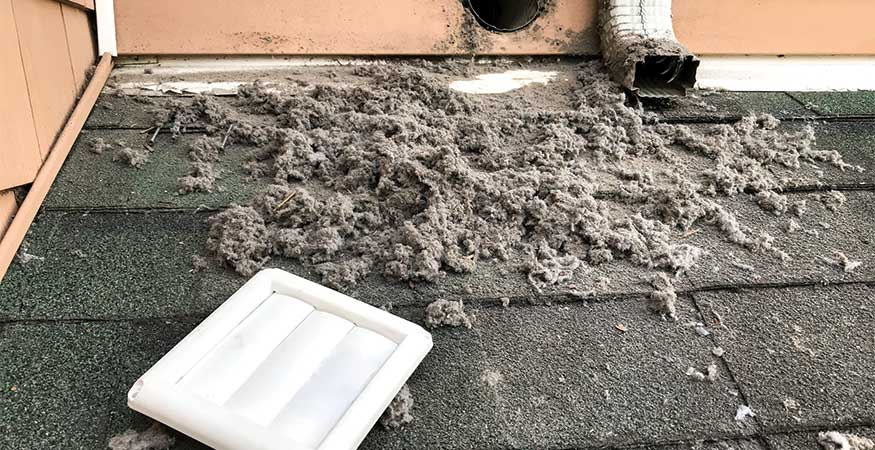
Rooftop dryer vents require more frequent maintenance than standard side-wall vents due to longer duct paths, vertical airflow, and constant exposure to outdoor elements that lead to faster lint accumulation.
- Rooftop vents typically have longer and more complex duct systems that slow airflow and allow lint to settle inside the vent line. Vertical ducts make it harder for lint particles to travel through the system due to gravity.
- Lint buildup is a major cause of household fires, with approximately 2,900 residential dryer fires occurring yearly. Restricted airflow causes heat buildup and creates conditions that increase the likelihood of ignition.
- Most experts recommend cleaning rooftop dryer vents every 3 to 6 months for heavy use or at least twice per year for average households. Regular cleaning reduces fire risk, improves efficiency, and extends dryer lifespan.
Why do rooftop dryer vents need more frequent cleaning?
Rooftop dryer vents require more frequent cleaning because they have longer duct paths, vertical airflow, and constant exposure to outdoor elements. These conditions create an environment where lint accumulates faster compared to standard side-wall dryer vents, making regular maintenance necessary to prevent blockages and maintain proper ventilation efficiency.
Rooftop dryer vents often require more frequent maintenance than standard side-wall dryer vents. Longer duct paths, vertical airflow, and constant exposure to outdoor elements create conditions that lead to faster lint accumulation.
When lint accumulates in the vent system, airflow becomes restricted. This forces the dryer to work harder, increases energy consumption, and raises the risk of a dangerous dryer fire.
Regular cleaning of rooftop dryer vents helps maintain safe airflow, improve dryer efficiency, and reduce fire hazards in the home.
Rooftop Dryer Vents Have Longer Ventilation Paths
Rooftop dryer vents typically have longer and more complex duct systems than wall-mounted vents. These extended ducts slow airflow and allow lint to settle inside the vent line.
Longer Ventilation Paths Reduce Airflow
In many homes, dryer vents must travel through the attic before exiting the roof.
These ventilation paths may extend:
- 15 to 30 feet or more
- Through multiple elbows or bends
- Across attic spaces before reaching the roof vent
Each additional section of duct increases airflow resistance. When airflow slows, lint particles settle along the interior walls of the vent pipe.
Over time, this buildup can partially or completely block the duct.
Vertical Ducts Cause Lint to Settle
Rooftop vents rely on vertical airflow to push hot air upward toward the roof.
Gravity makes this process more difficult for lint particles to travel through the system.
Lint commonly accumulates in areas such as:
- Duct elbows and tight bends
- Pipe joints and connections
- Sections where airflow slows
Without regular dryer vent cleaning, these areas can develop thick lint deposits that restrict ventilation.
Fire Hazards From Clogged Rooftop Dryer Vents
Lint buildup inside dryer vents is a major cause of household fires. According to the United States Fire Administration, approximately 2,900 residential dryer fires occur every year, with lint accumulation as the leading factor.
When airflow becomes restricted, several dangerous conditions can develop:
- Heat builds up inside the dryer
- The heating element runs longer than normal
- Highly flammable lint collects inside the vent system
These conditions increase the likelihood of ignition inside the dryer or the vent duct.
Routine rooftop dryer vent cleaning significantly reduces these risks.
How Weather Exposure Damages Rooftop Vent Systems
Unlike indoor ductwork, rooftop dryer vents are constantly exposed to outdoor conditions. Weather can gradually damage vent caps and reduce airflow efficiency.
Sun Damage
Prolonged sunlight exposure can weaken plastic vent components.
Common problems include:
- Cracked vent caps
- Brittle dampers
- Broken rubber seals
Damaged seals allow debris and moisture to enter the vent system.
Water and Corrosion
Rain, snow, and humidity can affect rooftop vent systems over time.
Possible issues include:
- Rusted metal components
- Moisture buildup inside ducts
- Freeze-thaw damage during colder months
Moisture mixed with lint can create dense clumps that block airflow.
Signs Your Rooftop Dryer Vent Needs Cleaning
Homeowners should watch for warning signs of a clogged dryer vent system.
Common indicators include:
- Clothes are taking longer than normal to dry
- The dryer is becoming excessively hot during operation
- A burning smell during drying cycles
- Excess lint around the dryer area
- The exterior vent flap is not opening properly
If these issues appear, scheduling professional dryer vent cleaning is recommended.
How Professional Rooftop Dryer Vent Cleaning Works
Cleaning a rooftop dryer vent requires specialized tools designed to reach long duct systems.
Professional technicians typically:
- Inspect the entire vent path
- Use rotating brush systems to remove lint
- Clear buildup from elbows and joints
- Check the rooftop vent cap and damper
- Test airflow after cleaning
This process restores ventilation and helps the dryer operate safely.
How Often Should Rooftop Dryer Vents Be Cleaned
Because rooftop vents accumulate lint more quickly, they require regular maintenance.
Most experts recommend cleaning:
- Every 3 to 6 months for homes with heavy dryer use
- At least twice per year for average households
Homes with longer ducts or large families may require more frequent cleaning.
Routine dryer vent maintenance helps prevent blockages and improves system performance.
Benefits of Regular Rooftop Dryer Vent Cleaning
Keeping dryer vents clean provides several important benefits for homeowners.
Key advantages include:
- Reduced risk of dryer fires
- Faster drying cycles
- Lower electricity usage
- Improved airflow throughout the vent system
- Extended lifespan of the dryer appliance
Regular dryer vent cleaning helps protect both the home and the appliance.