
Furnace Tips for New Homeowners
New homeowners need to maintain their furnace properly to keep it running efficiently and ensure a long lifespan. Regular tasks include changing air filters, scheduling annual professional inspections, and monitoring for warning signs of problems.
- Change air filters every 1-3 months and inspect them monthly to maintain airflow and prevent the furnace from working too hard. Always turn off the furnace before replacing filters for safety.
- Schedule annual professional inspections to check the heat exchanger, blower motor, and ignition system while ensuring all safety controls work correctly. This helps detect issues early and extends furnace life.
- Watch for warning signs like unusual noises, yellow pilot lights, or rising energy bills that could indicate serious problems. Keep vents and ducts clean and ensure proper ventilation to maintain safe and efficient operation.
New homeowners should prioritize regular furnace maintenance by changing and cleaning air filters frequently to maintain proper operation. Schedule an annual professional inspection to identify potential issues early and extend the system's lifespan. These simple practices help keep your heating system running efficiently and prevent costly repairs down the line.
Taking care of your furnace is important for new homeowners. Change and clean your air filters regularly to keep them running well. Get a professional to inspect your furnace once a year to find problems early and help it last longer.
Check your thermostat settings and think about switching to a programmable one for better control. Look at the blower motor often to see if it’s worn out or making strange noises. Keep vents and ducts clean so air can flow freely.
Watch for warning signs like odd noises or a yellow pilot light; these could mean serious problems. Taking these steps will help keep your home warm and your furnace working efficiently.
Understanding Your Furnace
A furnace is an essential component of your home’s heating system, responsible for converting fuel into heat and distributing that warmth throughout your living spaces. To ensure your furnace operates efficiently and has a long lifespan, it’s crucial to understand its basic parts and how they function.
Key Components of a Furnace
- Heat Exchanger: Transfers heat from the burning fuel to the air, ensuring efficient warmth distribution.
- Blower Motor: Pushes warm air through the ducts to distribute heat evenly.
- Combustion Chamber: Burns the fuel to create heat for your home.
- Thermostat: Controls temperature by signaling the furnace to turn on or off.
Measuring Furnace Efficiency
Furnace efficiency is measured by the Annual Fuel Utilization Efficiency (AFUE) rating. A higher AFUE rating means better energy efficiency and lower bills. Modern furnaces often reach AFUE ratings of 90% or higher, converting nearly all the fuel they use into heat.
Regular Maintenance Importance
Regular maintenance is vital for ensuring your furnace operates efficiently and lasts longer. An annual inspection helps detect issues early and ensures reliable performance during the cold months. Technicians inspect the heat exchanger, blower motor, and ignition system while replacing or cleaning filters as needed. This keeps energy costs down and extends furnace life.
Changing the Air Filter
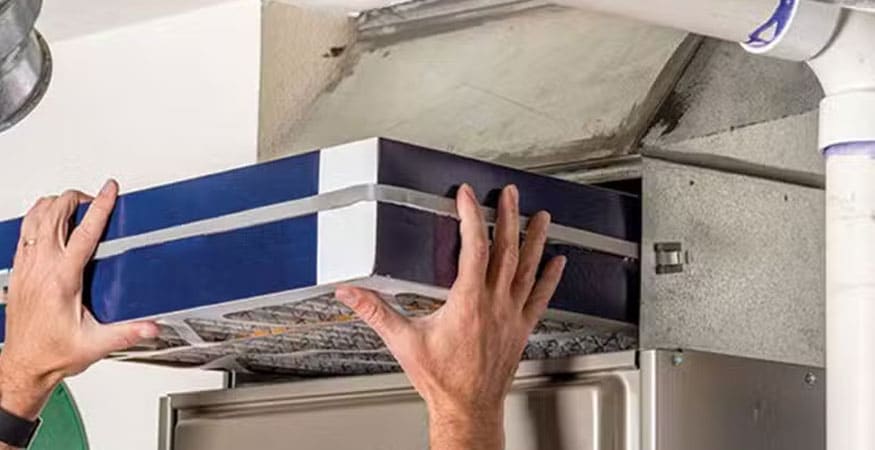
Replacing your furnace air filter regularly keeps the system efficient and air clean. Dirty filters restrict airflow, forcing your furnace to work harder and increasing the risk of breakdowns. Inspect filters monthly and replace them every 1–3 months, following manufacturer recommendations. Always turn off the furnace before replacing the filter to ensure safety.
Checking the Thermostat
Ensure your thermostat works correctly to maintain furnace efficiency. Verify temperature readings match your comfort level and ensure it’s installed away from direct sunlight or drafts. Consider upgrading to a programmable thermostat for better energy management. Also, check for damaged or loose wiring and seek professional help if needed.
Inspecting the Blower Motor
The blower motor circulates warm air throughout your home. Turn off the furnace and remove the access panel to check for dust buildup or wear. Clean it gently and inspect wiring connections. If you hear grinding or squealing noises, contact an HVAC professional for maintenance.
Cleaning Vents and Ducts
Keeping vents and ducts clean promotes efficient airflow and better air quality. Follow these steps:
- Inspect Air Ducts: Check for dust or mold buildup and hire professionals if needed for deep cleaning.
- Replace Air Filters: Change filters regularly to prevent blockages and improve airflow.
- Clean Vent Covers: Remove and vacuum vent covers to clear dust and debris.
- Schedule Professional Duct Cleaning: Every 3–5 years, hire experts for thorough cleaning and to remove hidden contaminants.
Monitoring Furnace Efficiency
Regularly monitor furnace efficiency by tracking AFUE ratings, replacing filters every 1–3 months, and watching for utility bill increases. Schedule annual professional inspections to check the heat exchanger, blower motor, and thermostat for peak performance and energy savings.
Recognizing Warning Signs
Be alert for early furnace warning signs to prevent costly repairs and ensure safety:
- Pilot Light Color: A blue flame is normal; a yellow one may indicate a carbon monoxide leak.
- Unusual Noises: Banging or squealing sounds could mean mechanical issues that need repair.
- Increased Energy Bills: Rising costs might signal clogged filters or inefficient components.
- Carbon Monoxide Alerts: If your detector activates, leave immediately and call a licensed technician.
Ensuring Proper Ventilation
Proper ventilation ensures your furnace operates safely and efficiently. Check ventilation ducts for leaks or blockages, ensure vents aren’t obstructed by furniture, and inspect the exhaust system to prevent harmful gas buildup. Clear outside vents of leaves or snow for proper airflow.
Annual Professional Inspections
Schedule annual furnace inspections by certified technicians to maintain safety and performance. They clean and check critical parts, ensure all safety controls work correctly, and test efficiency levels. Regular inspections help prevent costly repairs and extend your furnace’s lifespan.
Related Terms
A heat exchanger is a metal component in a furnace that transfers heat from combustion gases or electric heating elements into the air that circulates through your home, without allowing the gases and air to mix directly.
The blower motor is the component in your HVAC system that circulates heated or cooled air from the furnace or air handler through the ductwork and into your living spaces.
The combustion chamber is the enclosed space within a gas furnace where fuel and air mix and ignite to produce heat. This high-temperature zone is where the combustion process occurs before heat is transferred to the home's air supply.