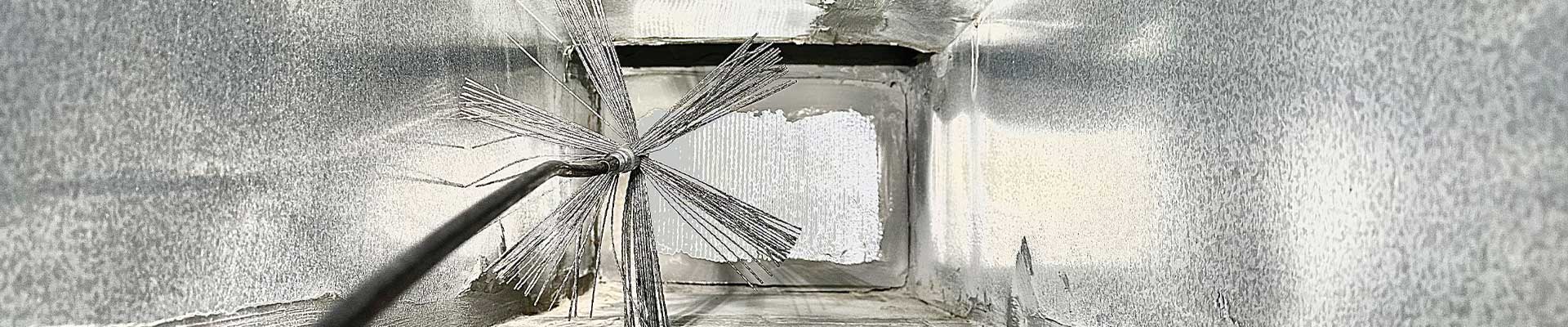
Dust, debris, and contaminants accumulating in your air ducts can compromise your home's air quality and HVAC efficiency. Action Air Duct provides thorough air duct cleaning services that remove years of buildup from your ventilation system, restoring clean airflow throughout your Arvada home.
Air duct cleaning involves the comprehensive removal of dust, debris, pet dander, pollen, and other contaminants from your HVAC system's ductwork, vents, and components. Professional cleaning requires specialized equipment and techniques to access all areas of your duct system safely and effectively.
Arvada's semi-arid climate and seasonal dust storms create unique challenges for maintaining clean air ducts. The area's mix of older homes and new construction means varying ductwork conditions that require experienced assessment and customized cleaning approaches.
Improved indoor air quality and reduced allergens
Enhanced HVAC system efficiency and airflow
Removal of dust, debris, and potential contaminants
Extended equipment lifespan and reduced maintenance needs
Common issues in Arvada, CO
Arvada's location along the Front Range creates specific air quality challenges that directly impact residential ductwork. The area experiences frequent wind patterns that carry dust and pollen from the plains, while seasonal weather changes bring additional debris into HVAC systems.
Many Arvada homes were built during the 1970s and 1980s construction boom, meaning ductwork systems may have decades of accumulated buildup. These older systems often lack modern filtration capabilities, allowing more contaminants to settle in ducts over time.
The community's proximity to both urban Denver and rural agricultural areas means homes face a unique combination of pollutants. Construction activity from ongoing development projects also contributes to increased dust levels that find their way into ventilation systems.
Seasonal dust storms and high wind events carrying debris into systems
Pollen from cottonwood trees and native grasses during spring months
Construction dust from ongoing residential and commercial development
Pet dander accumulation in homes with multiple pets
Moisture-related issues in basements affecting lower-level ductwork
Inadequate filtration in older HVAC systems allowing contaminant buildup
Our comprehensive air duct cleaning process begins with a detailed inspection of your entire HVAC system using advanced camera equipment. We assess ductwork condition, identify problem areas, and document contamination levels before starting any cleaning work.
The cleaning process involves multiple specialized techniques tailored to your system's specific needs:
Complete system inspection and photographic documentation
Strategic access point creation to reach all ductwork sections
High-powered vacuum extraction using truck-mounted equipment
Mechanical agitation to dislodge stubborn debris and buildup
Sanitization treatment for areas with biological contamination
Final inspection and system testing to verify thorough cleaning
We use negative pressure systems that prevent contaminants from spreading throughout your home during cleaning. Our truck-mounted equipment provides powerful suction while specialized brushes and air tools dislodge debris from duct surfaces.
HEPA filtration systems protecting your home's air quality during service
Flexible cleaning tools designed for various ductwork configurations
Antimicrobial treatments for systems with mold or bacteria concerns
Detailed before and after documentation showing cleaning results
Action Air Duct maintains NADCA (National Air Duct Cleaners Association) certification and follows industry best practices for all cleaning procedures. Our technicians receive ongoing training on the latest equipment and techniques, ensuring your system receives professional-grade service.
We've served the Arvada community for years, building relationships with local HVAC contractors and understanding the specific challenges facing Front Range homes. Our response times accommodate urgent needs while our scheduling flexibility works around your busy lifestyle.
Every cleaning service includes detailed documentation, system performance testing, and recommendations for maintaining optimal air quality. We stand behind our work with follow-up inspections and customer satisfaction guarantees that give you confidence in your investment.
Licensed and insured – not just certified – for all residential and commercial work
Same-day emergency services for urgent air quality concerns
Transparent pricing with no hidden fees or surprise charges
Comprehensive warranties covering workmanship and customer satisfaction
Housing Characteristics & Air Duct Cleaning Considerations
Most homes in Arvada were built between 1960 and 1990, representing a significant portion of the community's housing stock from this construction era. These homes typically feature ranch-style and split-level designs with ductwork systems that may span multiple levels and extensive horizontal runs through crawl spaces and basements.
The predominant housing type consists of single-family detached homes averaging 1,500 to 2,500 square feet, though the area also includes townhomes and condominiums built during later development phases. Many properties feature finished basements with additional ductwork serving lower levels, creating more complex ventilation systems requiring thorough cleaning attention.
Construction methods from this period often utilized galvanized steel or early flexible ductwork materials that may show signs of deterioration after decades of use. These older systems frequently lack modern sealing techniques, allowing more dust infiltration and requiring specialized cleaning approaches to address accumulated debris in joints and connections.
Basement ductwork vulnerable to moisture-related contamination issues
Multiple HVAC zones requiring coordinated cleaning procedures
Older duct materials needing careful handling during cleaning process
Extended duct runs in larger homes increasing potential contamination areas
Environmental Conditions & Air Duct Cleaning Implications
Arvada experiences a semi-arid climate with low humidity levels averaging 30-40% throughout most of the year, which can cause dust to become airborne more easily and settle in ductwork systems. The area receives approximately 15 inches of annual precipitation, with most moisture coming from spring snowmelt and summer thunderstorms that can create temporary humidity spikes affecting indoor air quality.
Air quality in Arvada is influenced by its position along the Front Range, where temperature inversions can trap pollutants from Denver's urban area while westerly winds carry dust from agricultural regions. The Colorado Department of Public Health monitors particulate matter levels, which can be elevated during high wind events and wildfire seasons, directly impacting residential HVAC systems.
Local soil composition includes clay and sandy loam that becomes airborne during dry periods, particularly in areas with ongoing construction or landscaping activities. The region's alkaline soil conditions can create fine dust particles that penetrate homes through various entry points and accumulate in ductwork over time.
Seasonal wildfire smoke requiring enhanced filtration and cleaning protocols
Spring pollen from native cottonwood and elm trees affecting air quality
Temperature inversions trapping pollutants and increasing indoor contamination
Construction dust from Front Range development projects impacting nearby homes
Low humidity conditions causing static buildup that attracts more dust particles
Air Quality and HVAC Data in Arvada
Arvada consistently ranks among Colorado communities with moderate air quality concerns, particularly during winter months when temperature inversions trap pollutants from the Denver metropolitan area. The Colorado Department of Public Health and Environment monitors particulate matter (PM2.5 and PM10) levels, which frequently exceed recommended thresholds during high wind events and wildfire seasons, directly impacting residential HVAC systems and indoor air quality.
Local air quality monitoring stations report elevated ozone levels during summer months, with readings often reaching the "unhealthy for sensitive groups" category. These conditions create additional stress on home ventilation systems as residents rely more heavily on air conditioning and filtration to maintain comfortable indoor environments.
The Jefferson County Health Department has identified several factors contributing to air quality challenges in Arvada, including proximity to major transportation corridors like Highway 36 and Interstate 70, seasonal agricultural activities, and ongoing construction projects throughout the rapidly growing community.
Average of 45 days per year exceeding recommended particulate matter levels
Ozone concentrations reaching 75+ ppb during peak summer months
Wildfire smoke events affecting air quality 10-15 days annually
Construction dust contributing to 20% increase in airborne particles during peak building seasons
HVAC system usage increasing 30% during poor air quality days