
Overview
Aurora's diverse housing stock – from mid-century ranch homes to modern developments – creates unique air duct cleaning challenges that require specialized attention. Professional air duct cleaning involves the thorough removal of dust, debris, allergens, and contaminants from your HVAC system's ductwork, vents, and components.
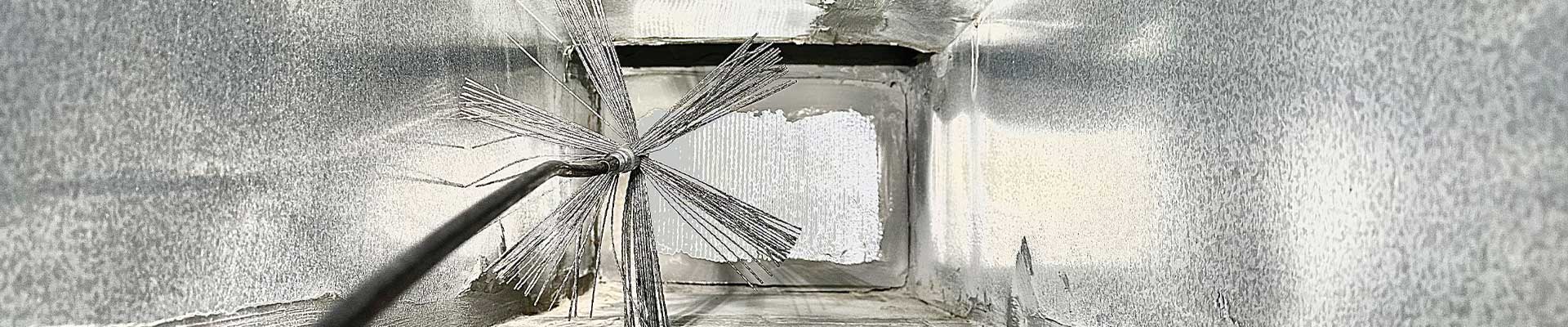
The process goes far beyond what homeowners can achieve with standard cleaning methods. Professional technicians use powerful vacuum systems, specialized brushes, and inspection cameras to access every section of your ductwork. This comprehensive approach addresses the root causes of poor indoor air quality and system inefficiency.
- Removes accumulated dust, pet dander, and allergens from all ductwork
- Eliminates mold spores and bacteria that thrive in Aurora's variable climate conditions
- Improves HVAC system efficiency and reduces energy costs
- Extends equipment lifespan through reduced strain on components
Common issues in Aurora, CO
Action Air Duct provides Air Duct Cleaning services in all neighborhoods of Aurora including Adonea, Allred Subdivision, Centretech, Country Village, Dove Hill, East Quincy Highlands, Green Valley Ranch (East), Harmony, Hill, Horizon Uptown, Montbello, Peninsula, Porteos, Seven Hills, Tollgate Crossing, and Traditions.
Aurora's location along the Front Range creates specific environmental challenges that directly impact air duct cleanliness. The city experiences significant temperature swings, from summer highs in the 90s to winter lows below zero, causing ductwork to expand and contract repeatedly. This movement can loosen joints and create gaps where dust and debris accumulate.
The area's notorious wind patterns carry fine particles from construction sites, agricultural areas, and urban dust directly into homes through small openings and gaps. Spring brings additional challenges as pollen from cottonwood trees and native grasses infiltrates HVAC systems. Many Aurora residents notice increased allergy symptoms during these peak seasons.
The dry climate – with humidity levels often below 20% – creates static conditions that cause dust and particles to cling to duct surfaces. This low humidity also means that once contaminants enter the system, they tend to stay rather than being naturally filtered out.
- Fine dust infiltration from Front Range winds and construction activity
- Seasonal pollen buildup from cottonwood trees and prairie grasses
- Pet dander accumulation in homes with multiple pets (common in Aurora)
- Mold growth potential in basement ducts due to temperature differentials
- Construction debris in newer developments throughout the city
- Rodent and insect infiltration through older ductwork connections
How Action Air Duct can help
Our systematic approach begins with a thorough inspection using advanced camera equipment to identify problem areas, blockages, and contamination levels throughout your ductwork. We document findings and explain exactly what we discover before beginning any work.
The cleaning process follows industry best practices specifically adapted for Aurora's unique conditions:
- Complete system inspection and photographic documentation of current conditions
- Protective covering of furniture and flooring around all vent openings
- Negative pressure creation using powerful truck-mounted vacuum systems
- Agitation cleaning with rotating brushes and compressed air tools
- Sanitization treatment using EPA-approved antimicrobial solutions
- Final inspection and airflow testing to verify complete cleaning
We address Aurora-specific challenges by paying special attention to basement ductwork where moisture issues are common, and we thoroughly clean return air ducts that often accumulate the heaviest debris loads. Our team also inspects and cleans dryer vents, which frequently become clogged with lint and outdoor debris in this windy climate.
- Truck-mounted equipment providing superior suction power
- HEPA filtration systems preventing recontamination during cleaning
- Specialized tools for accessing tight crawl spaces and basement installations
- Antimicrobial treatments targeting mold and bacteria growth
Why choose Action Air Duct
Action Air Duct brings certified expertise through our NADCA (National Air Duct Cleaners Association) membership and ongoing training in the latest cleaning techniques. Our technicians understand Aurora's specific environmental challenges and adapt our methods accordingly.
We maintain rapid response times throughout the Aurora metro area, typically scheduling service within 48 hours of your call. Our local presence means we understand the unique characteristics of different Aurora neighborhoods – from the older homes near Colfax to the newer developments in Southlands.
Every job includes before and after photography, detailed documentation of our process, and a comprehensive report of findings. We stand behind our work with follow-up inspections and maintenance recommendations tailored to Aurora's climate conditions.
- NADCA certification and ongoing professional development
- Local ownership with deep community knowledge and investment
- Advanced equipment including truck-mounted systems and inspection cameras
- Comprehensive documentation and transparent pricing
Housing Characteristics & Air Duct Cleaning Considerations
Most homes in Aurora were built between 1970 and 2000, representing a significant portion of the city's housing stock during a period of rapid suburban expansion. This era of construction typically features ranch-style and bi-level homes with forced-air heating systems and ductwork running through crawl spaces, basements, and attic areas. Many of these homes have original ductwork that has never been professionally cleaned.
The predominant construction method during this period used flexible ductwork connections and sheet metal main trunks, often with numerous joints and connections that can develop leaks over time. Homes built in the 1980s and 1990s frequently have ductwork installed in unconditioned spaces, making them susceptible to temperature-related condensation and debris accumulation.
Aurora's housing mix includes approximately 65% single-family detached homes, with the remainder consisting of townhomes, condominiums, and apartments. The single-family homes typically range from 1,200 to 2,500 square feet, with two-story layouts requiring vertical ductwork runs that can be particularly challenging to clean without professional equipment.
- Original 1970s-1990s ductwork often contains construction debris and has never been cleaned
- Flexible duct connections prone to sagging and debris collection
- Basement and crawl space installations vulnerable to moisture and pest infiltration
- Multi-level homes requiring specialized equipment for vertical duct cleaning
Environmental Conditions & Air Duct Cleaning Implications
Aurora sits at approximately 5,400 feet elevation in a semi-arid climate zone, experiencing about 300 sunny days per year with low humidity levels averaging 25-35%. This dry environment creates ideal conditions for dust accumulation and static buildup within ductwork systems. The city receives only 15-17 inches of precipitation annually, meaning natural humidity rarely helps settle airborne particles.
Air quality in Aurora is significantly impacted by its position along the Front Range urban corridor, with ozone levels occasionally exceeding EPA standards during summer months. The area experiences frequent chinook winds that can reach 40-60 mph, carrying dust, pollen, and debris from agricultural areas east of the city directly into residential HVAC systems through small gaps and openings.
The local soil composition consists primarily of clay and sandy loam, which becomes extremely fine when dried and easily becomes airborne during construction activities. Aurora's rapid development means ongoing construction projects throughout many neighborhoods, contributing to elevated dust levels that infiltrate home ductwork systems.
- Low humidity conditions promote static buildup and particle adhesion in ducts
- High altitude and intense UV exposure break down flexible ductwork materials faster
- Frequent high winds drive outdoor contaminants into HVAC systems
- Construction activity creates elevated fine dust levels throughout residential areas
- Temperature extremes cause ductwork expansion and contraction, creating gaps
Indoor Air Quality Data in Aurora
Aurora residents face significant indoor air quality challenges due to the city's location in the Denver-Boulder-Greeley nonattainment area for ozone pollution. The Colorado Department of Public Health reports that Aurora experiences 15-25 days per year when ozone levels exceed federal health standards, directly impacting indoor air quality as outdoor pollutants infiltrate homes through HVAC systems and natural ventilation.
Recent air quality monitoring data shows that Aurora's PM2.5 (fine particulate matter) levels frequently spike during wildfire season, typically June through September. These microscopic particles easily penetrate standard HVAC filters and accumulate in ductwork, where they can remain for months without professional removal. The Colorado State University Extension reports that homes in the Front Range corridor show 40% higher indoor particulate levels compared to rural areas.
Local health department data indicates that Aurora residents report respiratory issues at rates 15% higher than the state average, with asthma prevalence particularly elevated in neighborhoods near major transportation corridors like I-225 and E-470. Professional air duct cleaning becomes especially important given these environmental factors:
- Wildfire smoke infiltration creates heavy particulate buildup in ductwork systems
- Vehicle emissions from major highways contribute to indoor air contamination
- Construction dust from ongoing development projects accumulates in HVAC systems
- Pollen counts during spring months exceed 1,500 grains per cubic meter
- Low humidity conditions prevent natural particle settling, keeping contaminants airborne longer
Weather & Alerts in Aurora, CO
Current Conditions
Temp: 66°F · Feels like: 64°F
Humidity: 35% · Wind: 9 mph
Emergency Alerts
No active alerts.
Air Duct Cleaning in Other Service Areas
- Arvada, CO
- Boulder, CO
- Brighton, CO
- Broomfield, CO
- Castle Pines, CO
- Castle Rock, CO
- Centennial, CO
- Denver, CO
- Edgewater, CO
- Englewood, CO
- Erie, CO
- Federal Heights, CO
- Glendale, CO
- Golden, CO
- Greenwood Village, CO
- Highlands Ranch, CO
- Ken Caryl, CO
- Lafayette, CO
- Lakewood, CO
- Littleton, CO
- Lone Tree, CO
- Louisville, CO
- Morrison, CO
- Northglenn, CO
- Parker, CO
- Superior, CO
- Thornton, CO
- Westminster, CO
- Wheat Ridge, CO