
Pre-Summer AC Tune-Up: What to Expect During Your Service Call
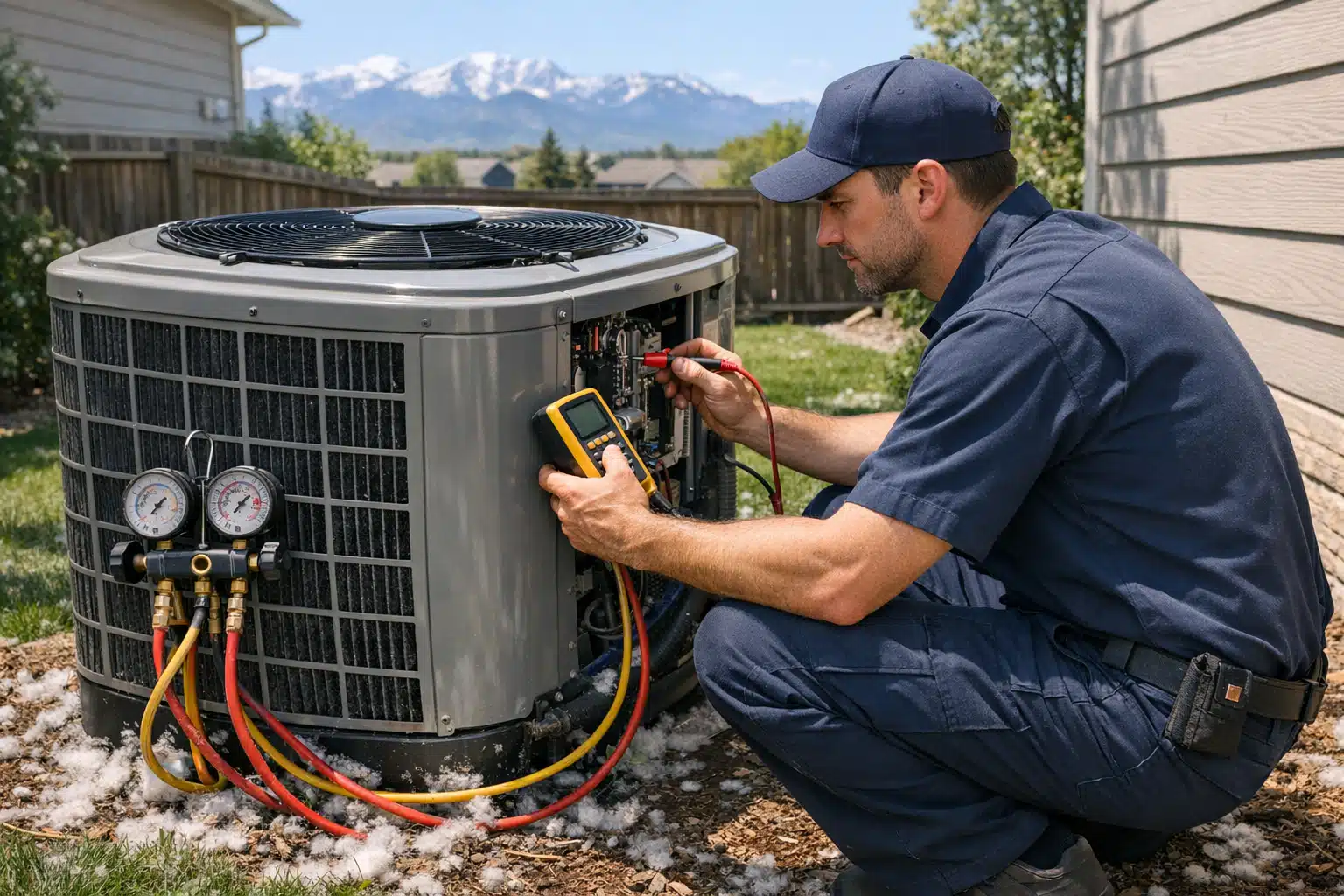
A pre-summer AC tune-up is essential for Denver homeowners to ensure their air conditioning systems operate efficiently during the hot months. This service includes a thorough inspection and maintenance process that helps prevent breakdowns and improves system reliability.
- The technician performs an initial assessment, checking for damage and ensuring electrical safety. They inspect refrigerant levels and airflow to identify any issues.
- Coils are cleaned to enhance heat transfer efficiency, while motors and components are tested for optimal performance. Safety controls are verified to protect the system from damage.
- After maintenance, the technician runs a full cooling cycle to measure performance, providing a report on system condition and recommendations for future care.
What is an AC tune-up and why is it important before summer?
An AC tune-up is a maintenance service performed on air conditioning systems to ensure they operate efficiently and reliably during hot weather. Scheduling this service before summer helps prevent breakdowns, enhances cooling performance, and extends the lifespan of the unit, ensuring comfort during the hottest days.
Denver’s summer heat arrives fast after our unpredictable spring weather. One week you’re running the furnace, the next week temperatures spike to 85°F and your air conditioner suddenly needs to perform flawlessly. An AC tune-up Denver homeowners schedule before summer starts can mean the difference between reliable cooling and a system breakdown during the hottest days.
Professional summer air conditioning service involves a systematic inspection and maintenance process. Most homeowners have never seen what happens during these service calls, leading to uncertainty about whether they’re getting thorough service.
This guide walks through each step of a comprehensive pre-summer AC tune-up so you know exactly what to expect when the technician arrives at your door.
Initial System Assessment and Safety Checks
The technician starts by examining your outdoor condensing unit before touching any components. They look for obvious damage, vegetation growth, or debris accumulation that could restrict airflow. Colorado’s cottonwood season and frequent spring winds often deposit significant debris around outdoor units.
Next comes the electrical safety inspection. The technician turns off power at both the outdoor disconnect and the electrical panel. They check all electrical connections, looking for signs of overheating, corrosion, or loose wiring that developed over winter.
The thermostat receives attention early in the process. The technician tests both heating and cooling modes, verifies temperature accuracy with a calibrated thermometer, and checks that the system responds properly to temperature adjustments.
Comprehensive AC Tune-up Denver Inspection Points
Refrigerant System Analysis
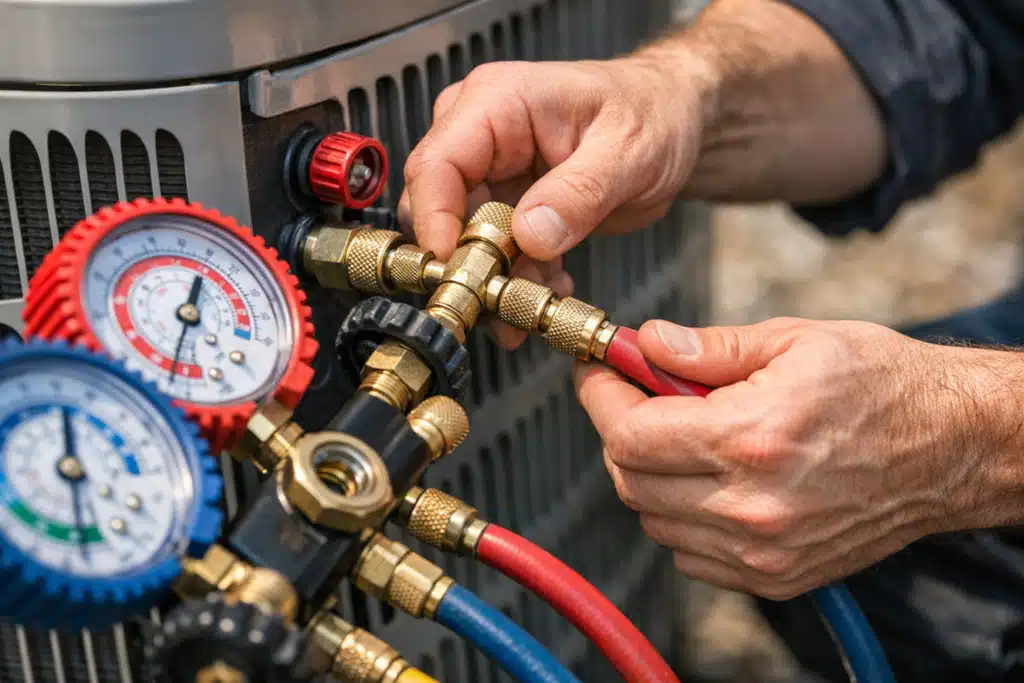
Refrigerant levels get checked using manifold gauges connected to the service ports. Low refrigerant usually indicates a leak somewhere in the system. Denver’s altitude affects refrigerant pressures, so experienced technicians adjust their readings accordingly.
The technician examines all refrigerant lines for signs of leakage, including oil stains or ice formation. They pay special attention to connection points and areas where lines pass through walls or foundations.
Airflow and Filtration Review
Air filter inspection reveals a lot about system operation and indoor air quality. Filters clogged with dust, pet hair, or pollen restrict airflow and force the system to work harder. The technician measures the filter size and recommends appropriate replacement intervals based on your home’s conditions.
Ductwork accessible near the indoor unit gets visually inspected for damage, disconnections, or excessive dust buildup. Homes with dirty ducts often struggle with poor airflow and indoor air quality issues.
Coil Cleaning and Maintenance
The outdoor condenser coil requires cleaning to remove accumulated dirt, grass clippings, and debris. Dirty coils reduce heat transfer efficiency and can cause the system to overheat on hot days. The technician uses specialized coil cleaners and low-pressure water to restore proper heat transfer.
Indoor evaporator coils also need attention. These coils collect dust and biological growth over time, especially in humid conditions. Clean coils improve cooling efficiency and prevent moisture problems that lead to mold growth.
Motor and Component Performance Testing
The outdoor fan motor gets lubricated if it has service ports. The technician checks fan blade condition, looking for cracks, bent edges, or imbalance that could cause vibration and premature motor failure.
Indoor blower motor inspection includes checking belt tension on belt-driven units. Loose belts slip and reduce airflow, while overly tight belts strain motor bearings. Variable-speed motors get tested across their operating range to verify proper function.
Capacitors receive voltage testing since these components commonly fail during hot weather. A failing capacitor causes hard starting, reduced efficiency, and eventual motor damage if not replaced promptly.
Control System and Safety Device Verification
Safety controls protect your system from damage during abnormal operating conditions. The technician tests high and low pressure switches, temperature limit switches, and other protective devices. These tests involve temporarily creating the conditions that should trigger each safety control.
Contactor inspection focuses on the electrical contacts that control power to major components. Pitted or burned contacts create resistance, generate heat, and eventually fail completely. Replacement before failure prevents emergency service calls.
The defrost control system gets tested on heat pump systems. Colorado’s variable spring temperatures often require heat pump systems to switch between heating and cooling modes, making proper defrost operation critical.
Drainage System Maintenance
Condensate drain lines require clearing to prevent water backup and humidity problems. The technician flushes drain lines with water or compressed air, removing algae buildup and debris that accumulates during periods of non-use.
Drain pan inspection reveals whether previous moisture problems caused rust, cracks, or biological growth. A damaged drain pan can leak water into your home’s structure, causing expensive damage over time.

Performance Testing and Efficiency Verification
Once maintenance tasks are complete, the technician runs the system through a full cooling cycle. They measure actual cooling output, airflow volumes, and electrical consumption to verify the system operates within manufacturer specifications.
Temperature split testing compares the temperature of air entering and leaving the indoor coil. Proper temperature split indicates correct refrigerant charge, adequate airflow, and efficient heat transfer.
The technician documents baseline performance numbers for future reference. These measurements help identify declining performance during subsequent service visits.
Final System Optimization
Based on test results, the technician makes final adjustments to optimize system performance. This might include adjusting fan speeds, refrigerant charge levels, or control settings to match your home’s specific requirements.
They provide a written report detailing work performed, current system condition, and recommendations for any needed repairs or improvements. This documentation helps you plan for future maintenance and understand your system’s current reliability.
What This Means for Denver Homeowners
A thorough pre-summer AC tune-up typically takes 90 minutes to two hours depending on system complexity and condition. Systems that haven’t received regular maintenance require additional time for cleaning and adjustment.
The investment in professional summer air conditioning service pays dividends through improved reliability, lower energy costs, and extended equipment life. Well-maintained systems rarely fail during peak cooling season when you need them most.
Scheduling tune-ups in late spring ensures your system is ready for Denver’s summer heat while avoiding the rush of emergency calls that occur once hot weather arrives.
Understanding what happens during professional AC maintenance helps you evaluate service quality and make informed decisions about your home’s comfort systems. A comprehensive AC tune-up Denver residents receive should address all these inspection points and maintenance tasks.
Ready to schedule your pre-summer AC tune-up? Contact Action Air Duct at 720‑257‑3319 to ensure your cooling system is ready for another Colorado summer.