
Is Your Denver Home’s Airflow Uneven? Summer Cooling Problems and Solutions
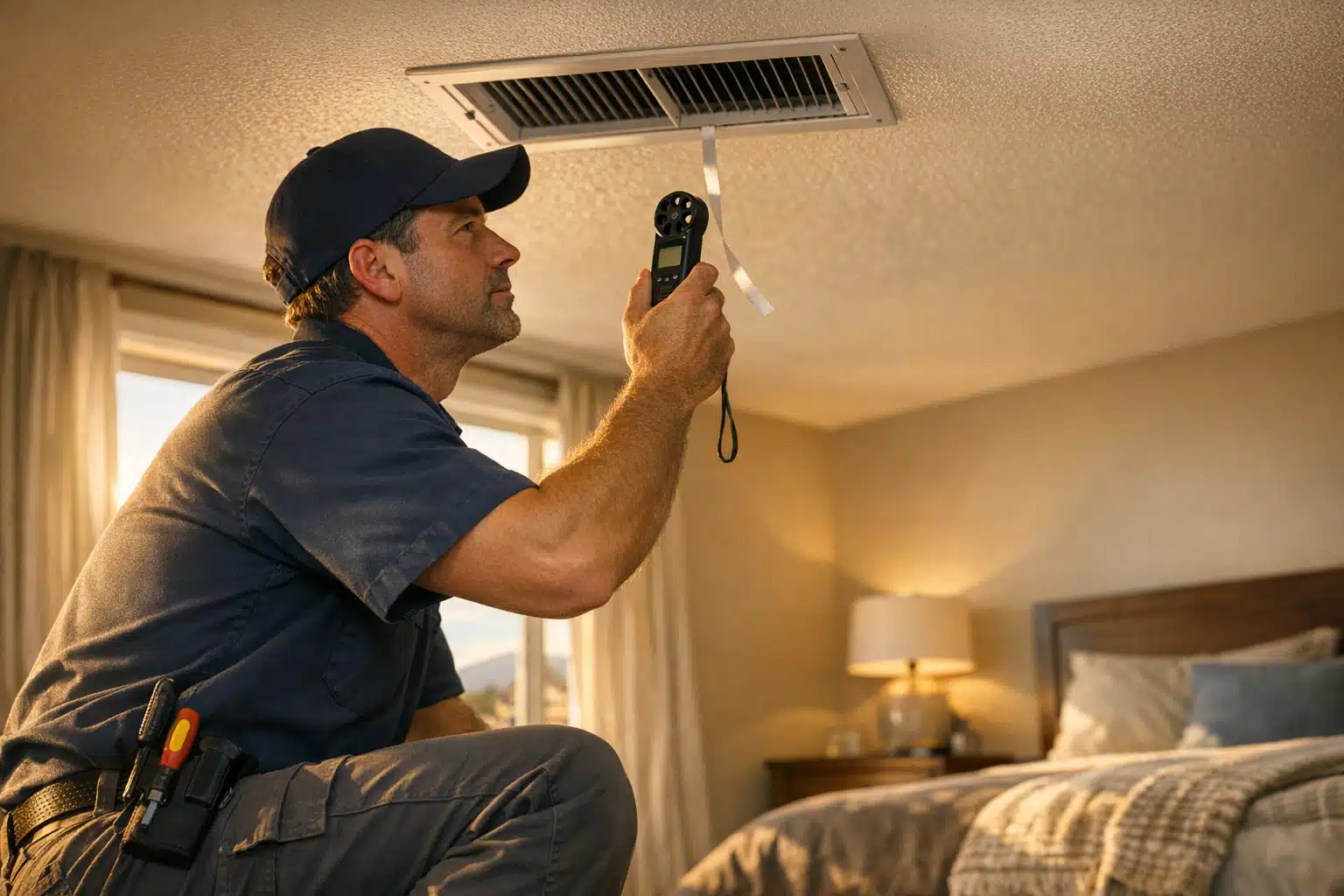
Denver homeowners often face uneven cooling in their homes, particularly during the summer months. This issue can stem from problems with ductwork or the air conditioning system, and identifying the cause is essential for effective solutions.
- Uneven cooling is defined as a temperature difference of five degrees or more between rooms served by the same system. This is common in Denver due to high-altitude summers and specific room exposures.
- Duct issues can lead to weak airflow in certain rooms, while AC problems typically cause the entire house to feel warm. Both issues may require attention for a complete fix.
- Regular maintenance, such as duct cleaning and AC tune-ups, can prevent uneven cooling and improve overall comfort in the home. Ignoring these problems can lead to higher energy bills and equipment wear.
What causes uneven cooling in a Denver home?
Uneven cooling in a Denver home is often caused by issues such as poor insulation, blocked vents, or an improperly sized HVAC system. These factors can lead to significant temperature differences between levels of the house, resulting in discomfort during the hot summer months.
Your upstairs bedroom sits at 80 degrees at 3 p.m. Meanwhile, the basement feels like a refrigerator, and the main floor stays comfortable. That temperature spread is uneven cooling Denver homeowners complain about every July, and it points to a specific problem you can track down.
Some rooms run hotter than others because air is not reaching them evenly. The cause sits in one of two places: your ductwork or your air conditioner. Sometimes both.
This post walks you a diagnostic path. You will learn how to tell whether you need duct work, AC service, or a combination of the two.
Why Uneven Cooling Happens in Denver Homes
Uneven cooling is a temperature difference of five degrees or more between rooms served by the same system. In Denver, the problem shows up hardest during afternoon heat when your AC works its longest cycles.
Our high-altitude summers create a specific pattern. West-facing and top-floor rooms absorb intense afternoon sun, and thin mountain air heats up fast. A system that keeps up in June can fall behind by August.
The two main culprits behave differently. Duct problems block or leak air before it reaches a room. AC problems reduce the total cooling your system can produce.
Signs the Problem Is in Your Ductwork
Duct issues create room-by-room differences. The cold air exists, but it never arrives where you need it.
- One or two rooms stay hot while the rest of the house feels fine.
- Weak airflow at certain vents even when the system runs.
- Rooms far from the furnace struggle most, since air loses pressure over distance.
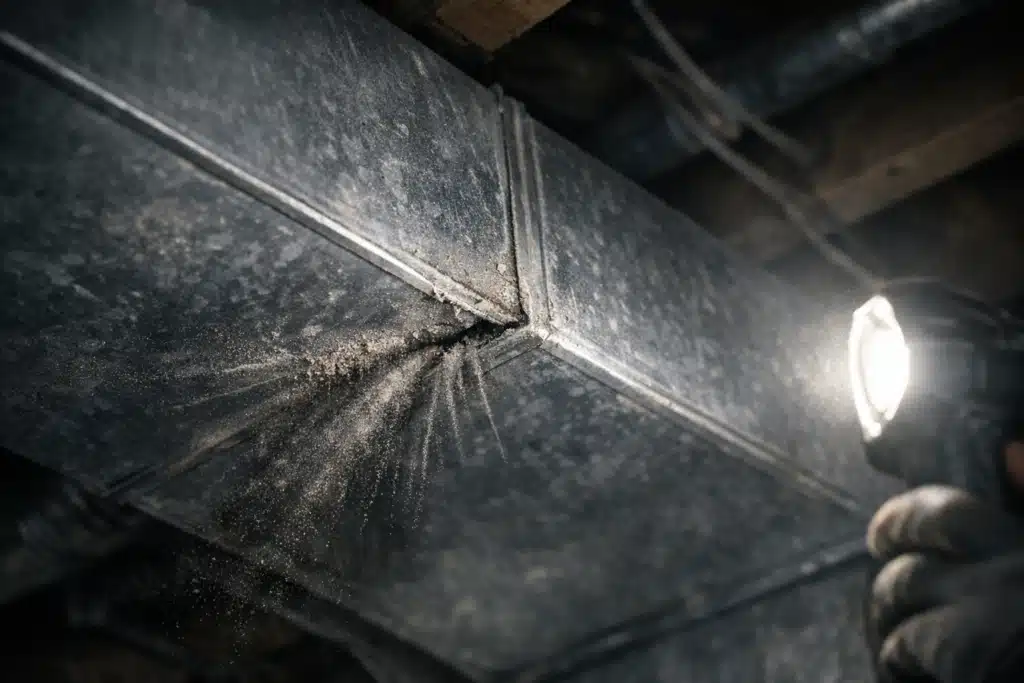
- Visible dust streaks around vent edges, a sign of leaking joints.
- Whistling or rattling in the ducts during operation.
A common Denver scenario: a finished basement remodel added rooms, but the existing duct trunk never grew to feed them. The system pushes air the shortest, easiest path and starves the far rooms.
Signs the Problem Is in Your Air Conditioner
AC issues create whole-house weakness. Every room runs warmer, and the system never quite catches up.
- The entire house feels warm, not just isolated rooms.
- The AC runs constantly but never reaches the thermostat setting.
- Warm air blows from vents that should be cold.
- Ice forms on the outdoor unit or the copper lines.
- Higher electric bills with no gain in comfort.
Low refrigerant, a dirty condenser coil, or an aging compressor all reduce cooling output. A Denver AC caked in cottonwood fluff and yard dust cannot shed heat, and performance drops fast in July.
A Step-by-Step Diagnosis You Can Do Today
Before calling anyone, run these checks. They take about 30 minutes and point you toward the real cause.
- Check your air filter first. A clogged filter chokes airflow to the whole house. If it looks gray and packed, replace it and recheck comfort in a day.
- Feel the air at each vent. Hold your hand at every supply register. Note which rooms get strong cold air and which get weak or warm air.
- Compare vent temperatures. If some vents blow cold and others blow weak, your ducts are the likely issue. If every vent blows weak or warm, look at the AC.
- Inspect visible ductwork. In the basement or crawlspace, look for disconnected sections, crushed flex duct, or gaps at joints.
- Check the outdoor unit. Make sure grass, leaves, and cottonwood are not blocking the coil. Clear a two-foot space around it.
- Confirm dampers and vents are open. Closed or blocked registers behind furniture cause hot rooms that mimic bigger problems.
The vent-temperature test does most of the diagnostic work. Cold air at some vents and weak air at others means the cooling exists but cannot travel. That is a duct story, not an AC story.
When Ductwork Is the Answer
Duct problems account for many uneven cooling complaints along the Front Range. Older Denver homes and additions frequently run undersized or leaky duct runs.
Duct Leaks and Disconnections
Duct leaks let cooled air escape into attics, crawlspaces, and wall cavities. Air you paid to cool never reaches the room. Sealing leaks restores pressure to the rooms that need it.
Blocked or Dirty Ducts
Years of dust, pet dander, and construction debris narrow the airflow path. Denver’s dry, dusty climate speeds this buildup. Duct cleaning removes the restriction and improves delivery to weak rooms.
Duct cleaning matters most when you see dust blowing from vents, notice allergy flare-ups, or find weak airflow across several rooms. A cleaning every three to five years suits most Denver homes, sooner after a remodel.
Poor Duct Design or Balancing
Sometimes the duct layout itself sends too much air to close rooms and too little to distant ones. Adjusting dampers rebalances the flow. This fix addresses home airflow problems without touching the AC at all.
When AC Service Is the Answer
AC service is the right call when the whole house runs warm and airflow feels normal at the vents. The distribution works, but the cooling supply is short.
- Refrigerant charge check to catch low levels from leaks.
- Condenser coil cleaning to restore heat rejection.
- Evaporator coil inspection for ice or dirt buildup.
- Capacitor and compressor testing for failing parts.
Denver’s altitude and heat push AC units hard. A yearly spring AC tune-up catches weak components before the first heat wave exposes them. Skipping it risks a mid-July breakdown when repair calls stack up.
When You Need Both
Many uneven cooling cases involve both a tired AC and restricted ducts. One masks the other. A weak system feeding leaky ducts creates hot rooms that no single fix resolves.
A telling example: a homeowner cleans the AC coil and gains some comfort, but the upstairs stays hot. The duct run feeding the second floor leaks in the attic. Both repairs together fix the room.
This is why a diagnosis beats guessing. Fixing one issue while ignoring the other leaves you hot and frustrated after spending money.

What Neglecting the Problem Costs You
Ignoring uneven cooling does more than annoy you. It shortens equipment life and raises bills.
- The AC runs longer chasing a thermostat setting it cannot hit, wearing the compressor.
- Energy bills climb as the system stays on far past normal cycle times.
- Rooms trap heat and humidity, encouraging musty odors and poor indoor air quality.
- Dust and allergens circulate more heavily when airflow is unbalanced.
Wildfire smoke season adds another reason to keep airflow strong. Balanced ducts and clean filters help your system pull and filter indoor air evenly across every room.
When to Call a Professional
Call for service when your own checks point to ducts, AC, or both, and the comfort gap remains. Refrigerant work, coil cleaning, and duct sealing need trained hands and tools.
You can safely replace filters, clear the outdoor unit, and open blocked vents yourself. Beyond that, an inspection saves you from throwing parts and money at the wrong problem.
A good service visit includes a room-by-room airflow check, a duct inspection, and an AC performance test. That combination tells you exactly which fix your Denver home needs.
Conclusion
Uneven cooling in Denver homes traces back to ductwork, your air conditioner, or both, and the vent-temperature test tells you which. Cold air at some vents and weak air at others points to ducts, while warm air everywhere points to the AC. A proper diagnosis saves you from paying for the wrong repair.
If hot rooms are wearing you down this summer, Action Air Duct can inspect your ducts and airflow and pinpoint the cause. Call or text 720‑257‑3319, email tamir@actionairduct.net, or visit https://actionairduct.net to schedule an inspection.