
Why Your Denver AC is Working Overtime This Summer (And How to Fix It)
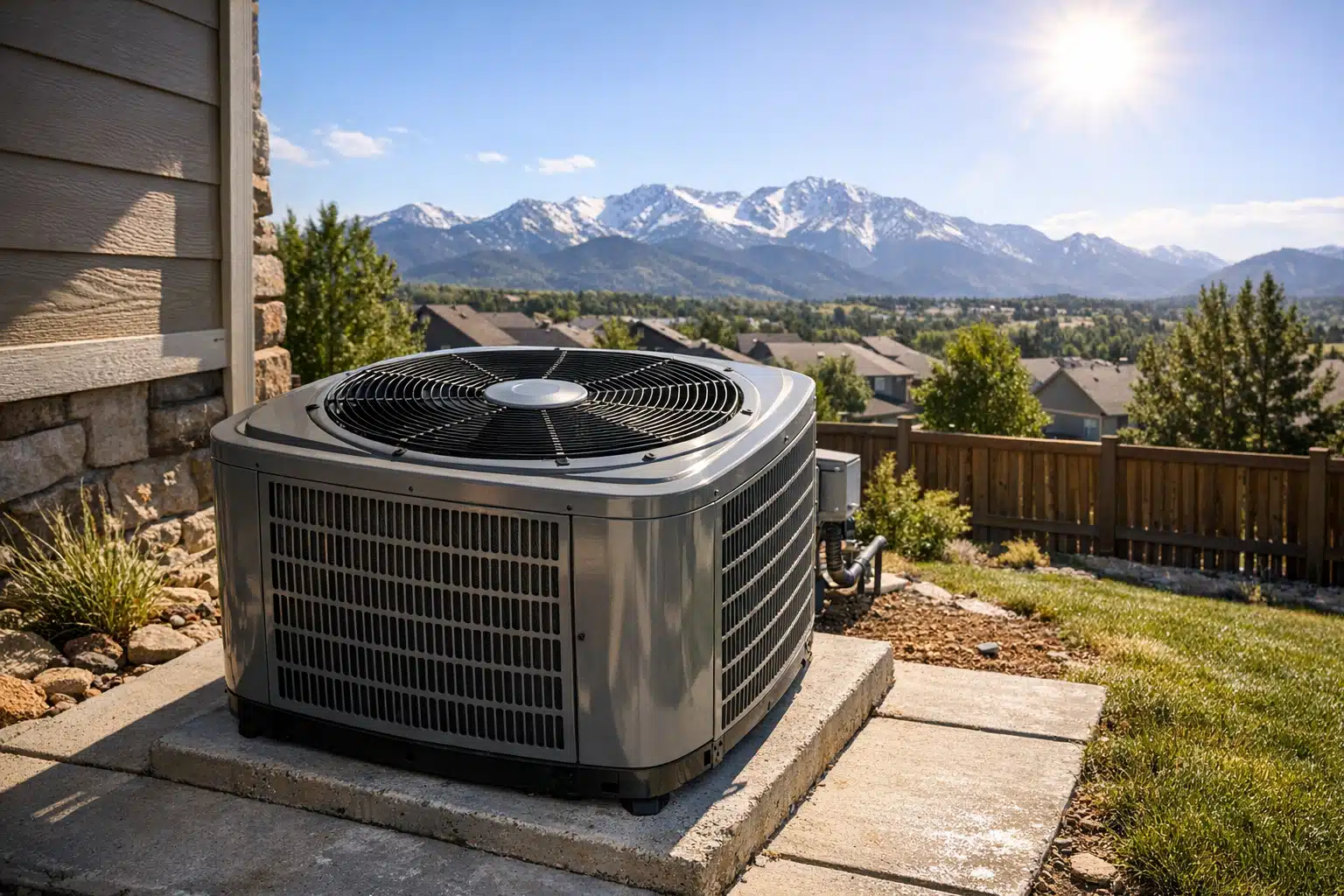
Denver AC units face unique challenges due to high altitude, making them work harder during the summer. Understanding these issues can help homeowners maintain their systems effectively and reduce cooling costs.
- High altitude causes AC systems to work 10-15% harder due to thinner air. This increased workload can lead to higher energy bills and more frequent repairs.
- Common signs of overwork include constant running, uneven cooling, and unusual noises from the units. Homeowners should be aware of these indicators to seek maintenance promptly.
- Regular maintenance, including filter changes and duct cleaning, can significantly improve AC efficiency and prolong system life in Denver's climate.
Why is my Denver AC working overtime this summer?
Your Denver AC is working overtime this summer due to the challenges posed by high altitude. At 5,280 feet above sea level, the thinner air forces your cooling system to work 10-15% harder to circulate the same amount of air, leading to increased strain and potential inefficiency.
Why Denver AC Units Struggle More Than Those at Sea Level
Your Denver AC is working overtime this summer because high altitude air conditioning systems face unique challenges that most homeowners don’t realize. At 5,280 feet above sea level, the thinner air makes your cooling system work 10-15% harder to move the same volume of air through your home.
Colorado’s intense summer sun combined with sudden temperature swings creates the perfect storm for AC overwork. When your system runs constantly, it’s trying to tell you something important about Denver AC maintenance needs.
The good news? Most of these issues have straightforward solutions that can cut your cooling costs and extend your equipment’s life.
The High-Altitude Air Conditioning Challenge
Thin air at Denver’s elevation reduces your AC’s efficiency because there are fewer air molecules for your system to move. Your blower motor must spin faster and work harder to circulate the same amount of conditioned air through your ductwork.
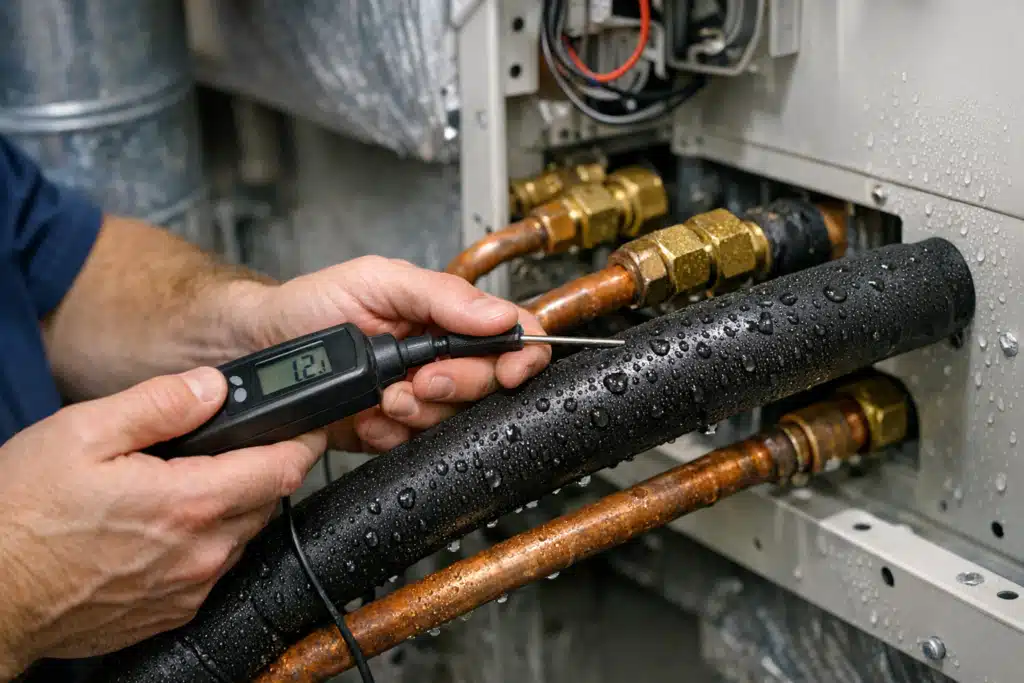
This increased workload generates more heat in your equipment. When components run hotter, they wear out faster and consume more electricity.
How Colorado’s Climate Amplifies AC Problems
Denver’s summer weather patterns create additional stress on cooling systems:
- Rapid temperature changes: 30-degree swings between morning and afternoon force your AC to constantly adjust
- Intense UV exposure: High-altitude sun heats your roof and attic spaces beyond what most AC systems were designed to handle
- Dry air infiltration: Colorado’s low humidity allows more hot air to leak into homes through small gaps
- Wildfire smoke: Clogged filters from smoke particles restrict airflow and force longer run cycles
Five Signs Your Denver AC Needs Professional Attention
These warning signs indicate your system is struggling with summer conditions and requires immediate Denver AC maintenance:
1. Constant Running Without Reaching Set Temperature
Your AC should cycle on and off throughout the day, not run continuously for hours. Constant operation usually means your system lacks the capacity to cool your space effectively.
In Denver homes, this often results from undersized equipment that wasn’t properly calculated for high-altitude conditions during installation.
2. Uneven Cooling Throughout Your Home
Hot spots in certain rooms indicate ductwork problems or airflow restrictions. Colorado’s dry climate can cause duct joints to separate, allowing cool air to escape into unconditioned spaces like crawlspaces or attics.
3. Unusual Noises From Indoor or Outdoor Units
Grinding, squealing, or rattling sounds mean components are failing under increased workload. High-altitude operation puts extra stress on fan motors and compressor parts.
4. Rising Electric Bills Despite Similar Usage
Efficiency drops dramatically when AC systems work overtime. A system running constantly can use 40-60% more electricity than one cycling properly.
5. Poor Indoor Air Quality During Summer Months
Overworked systems often have airflow problems that reduce filtration effectiveness. Dust, pollen, and smoke particles accumulate faster when your AC can’t move air properly through filters.
Immediate Steps to Reduce AC Workload
These actions can provide quick relief while you schedule professional Denver AC maintenance:
Check and Replace Air Filters
Dirty filters are the number one cause of AC overwork in Denver homes. Colorado’s dust and seasonal wildfire smoke clog filters faster than in most climates.
Replace standard filters every 30-45 days during summer months. High-efficiency filters may need monthly replacement during heavy pollen or smoke periods.
Clear Outdoor Unit Obstructions
Remove leaves, grass clippings, and debris from around your outdoor condenser. Maintain at least two feet of clearance on all sides for proper airflow.
Denver’s frequent afternoon thunderstorms can blow debris against outdoor units, blocking essential heat exchange.
Seal Air Leaks Around Windows and Doors
Colorado’s dry climate shrinks weatherstripping and caulk faster than humid climates. Even small gaps allow significant hot air infiltration at high altitude.
Focus on south and west-facing openings that receive the most intense afternoon sun exposure.
Professional Solutions for Overworked AC Systems
Some problems require professional diagnosis and repair to restore proper air conditioning efficiency:
Duct Cleaning and Sealing
Duct cleaning removes accumulated dust and debris that restricts airflow in Denver homes. Professional cleaning typically improves airflow by 15-25%, reducing the workload on your AC system.
Duct sealing addresses leaks that are common in Colorado homes due to settling and temperature fluctuations. Sealed ductwork can improve cooling efficiency by up to 20%.
Refrigerant Level and Pressure Testing
High-altitude operation affects refrigerant pressures and system performance. Professional technicians adjust refrigerant levels for optimal performance at Denver’s elevation.
Low refrigerant forces your compressor to work harder and run longer cycles to achieve the same cooling effect.
Blower Motor and Fan Adjustments
AC systems may need blower speed adjustments for high-altitude operation. Proper fan speeds ensure adequate airflow through the thinner air while avoiding excessive energy consumption.

Thank you, Tamir, for the excellent work and friendly customer service. I highly recommend Action Air Duct Cleaning to anyone needing vent cleaning or installation!
Preventive Maintenance for Denver’s Climate
Regular maintenance prevents most AC overwork problems before they start:
Spring Tune-Up Schedule
Schedule professional maintenance in April or early May before summer heat arrives. Denver’s short spring season provides a limited window for optimal scheduling.
Pre-season maintenance includes coil cleaning, refrigerant checks, and airflow testing specifically for high-altitude performance.
Mid-Season Filter Checks
Plan additional filter inspections during wildfire season (typically July and August). Smoke particles clog filters much faster than normal dust, sometimes requiring weekly replacement during heavy smoke events.
Fall System Evaluation
September inspections identify wear and damage from summer’s heavy workload. Components stressed by high-altitude operation often show signs of premature wear that can be addressed before winter shutdown.
When to Consider System Upgrades
Some overworked AC systems need equipment upgrades rather than just maintenance:
Undersized Equipment
Systems installed without high-altitude calculations often lack adequate capacity for Denver cooling loads. If your AC runs constantly even with proper maintenance, capacity may be insufficient.
Professional load calculations account for elevation, intense sun exposure, and rapid temperature changes specific to the Front Range.
Aging Components
AC systems over 12-15 years old struggle more with high-altitude operation as components wear. Newer systems designed for varied elevation perform more efficiently in Denver’s challenging conditions.
Take Action Before Peak Summer Heat
Your overworked AC system won’t fix itself, and waiting until peak summer heat often means longer repair delays and higher costs. Professional Denver AC maintenance addresses the root causes of system overwork while improving comfort and efficiency.
Action Air Duct specializes in high-altitude HVAC performance and understands the unique challenges facing Denver cooling systems. Our technicians can diagnose why your AC is working overtime and provide solutions that work in Colorado’s demanding climate.
Contact Action Air Duct at 720-257-3319 to schedule comprehensive AC maintenance and duct cleaning services that will help your system run efficiently all summer long.