
Dryer Safety Check: Warning Signs Denver Homeowners Shouldn’t Ignore
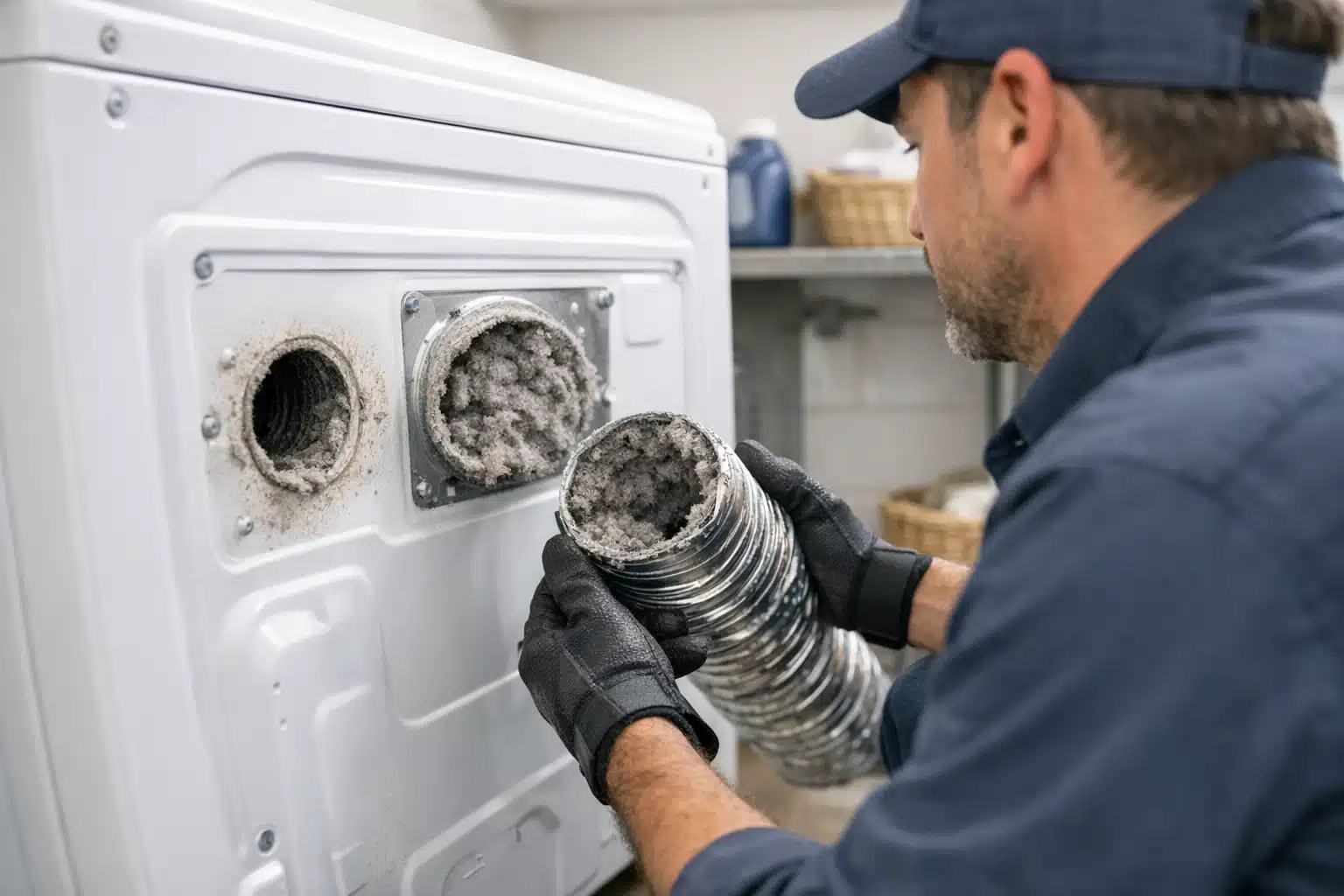
Denver homeowners should be vigilant about dryer safety warning signs to prevent fires and reduce energy costs. Recognizing symptoms like longer drying times and unusual heat can help avoid serious issues.
- Clothes taking longer to dry is a common early warning sign of lint buildup. A dryer or laundry room feeling hot indicates restricted airflow.
- A burning smell during operation signals overheating lint and should never be ignored. Weak airflow at the exterior vent suggests a blockage that needs immediate attention.
- Regular dryer vent cleaning is recommended at least once a year to prevent dangerous lint accumulation. Homeowners should act on any warning signs promptly to protect their homes.
What are the warning signs of dryer safety issues for Denver homeowners?
Warning signs of dryer safety issues for Denver homeowners include a dryer that requires multiple cycles to dry a load, which may indicate lint buildup. This buildup can lead to increased fire risk, higher energy bills, and potential damage to the appliance, making it crucial to address these signs promptly.
A dryer that takes two cycles to dry a single load is telling you something. In Denver’s dry climate, that warning sign points to lint buildup happening faster than most homeowners realize. Recognizing the dryer safety warning signs Denver residents face can prevent a fire, protect your home, and keep your energy bills lower.
This post covers the specific symptoms that signal trouble, why Colorado’s air makes the risk worse, and when a dryer vent safety inspection becomes non-negotiable.
Why Denver’s Dry Climate Speeds Up Lint Buildup
Colorado’s low humidity changes how lint behaves inside your dryer vent. Dry, static-charged lint clings to duct walls instead of moving out with the airflow. Over months, that layered buildup narrows the vent and traps heat.
Front Range homes deal with a second problem: fine outdoor dust and pollen ride indoors and mix with lint. Add wildfire smoke season, and the airborne debris load climbs even higher. All of it settles into the same ductwork your dryer relies on.
Static-heavy, bone-dry lint is more flammable than damp lint. That is the difference between a Denver dryer and one in a humid coastal city. The same load size produces a higher fire risk here.
A Real Scenario Denver Homeowners Recognize
A homeowner in Aurora runs a load of towels. The cycle ends, but the towels stay warm and damp. She runs it again, and the laundry room feels unusually hot afterward.
That heat is trapped exhaust that cannot escape a clogged vent. The extra cycle is the dryer fighting restricted airflow. Both symptoms point to the same cause: lint choking the duct.
Dryer Safety Warning Signs Denver Homeowners Shouldn’t Ignore
The clearest dryer safety warning signs Denver residents report show up during everyday laundry. Catching them early keeps a minor cleaning from becoming an emergency. Watch for the following:

- Clothes take longer to dry. One load needing two cycles is the most common early signal.
- The dryer or laundry room feels very hot. Restricted airflow forces heat back into the room and cabinet.
- A burning or musty smell during operation. Overheated lint gives off a scorched odor that should never be dismissed.
- The exterior vent flap barely moves. Weak or no airflow outside means the exhaust is blocked.
- Lint appears around the door seal or lint trap area. Debris pushing backward signals a downstream clog.
- The top of the dryer is hot to the touch. Heat should exit the vent, not build in the unit.
- Excess humidity or condensation near the vent. Trapped moisture points to poor exhaust flow.
Any single sign warrants attention. Two or more means stop using the dryer until it is checked.
The Burning Smell Deserves Extra Caution
A burning odor is the warning sign that separates inconvenience from danger. It means lint has reached a temperature high enough to scorch. In Denver’s dry conditions, that lint ignites more readily.
Shut the dryer off if you smell burning. Do not run another cycle to “test” it. Unplug the unit and schedule an inspection right away.
Where Lint Hides Beyond the Lint Trap
Cleaning the lint screen after every load is good practice, but it captures only part of the debris. The rest travels into the vent duct, where it accumulates out of sight. That hidden buildup causes most dryer fires.
Common trouble spots in Denver homes include:
- The transition hose behind the dryer. Flexible foil hoses trap lint in every ridge and kink.
- Long vent runs in older homes. Many Denver houses route exhaust across a basement or up through a wall.
- The exterior vent cap. Screens and flaps collect lint, and birds sometimes nest in them.
- Rooftop terminations. Multi-story and townhome layouts push exhaust farther, giving lint more places to settle.
The longer and more angled the vent, the faster it clogs. Denver’s mix of ranch homes and multi-level builds means no two setups are identical.
What a Dryer Vent Safety Inspection Involves
A dryer vent safety inspection is a check of the full exhaust path from the dryer to the outdoor termination. The goal is to find blockages, damage, and airflow restrictions before they cause harm. A trained technician measures airflow and inspects the entire run, not just the visible sections.
During a thorough inspection, expect the technician to:
- Disconnect and examine the transition hose for crushing or lint packing
- Clear the full duct run with brushes and vacuum equipment
- Check the exterior vent flap for proper movement
- Confirm the vent terminates outside, never into an attic or crawlspace
- Verify airflow strength after cleaning
A vent that terminates into an attic or crawlspace is a serious hazard. It dumps hot, moist, lint-heavy air into your home structure. In Denver’s temperature swings, that also invites condensation and mold.
How Often Denver Homes Need Cleaning
Most Denver households benefit from a dryer vent cleaning once a year. Larger families running frequent loads may need it every six to nine months. Homes with long or rooftop vent runs fall on the shorter end of that range.
If you notice any warning sign sooner, do not wait for the calendar. Symptoms override the schedule every time.
DIY Checks You Can Safely Do
You can perform a few basic checks without tools or risk. These help you decide whether to call for service. Keep them simple and stay out of the ductwork itself.
- Clean the lint screen before every load. A clogged screen alone cuts airflow sharply.
- Feel the exterior vent while the dryer runs. Strong warm air means good flow; weak air means a problem.
- Watch the vent flap. It should open with airflow and close when idle.
- Track drying times. A sudden increase is your earliest data point.
- Pull the dryer out once a year. Vacuum visible lint behind and under the unit.
Leave duct interiors to a technician. Deep cleaning requires equipment that reaches the full length safely. Improper poking can loosen connections or push clogs deeper.

What Happens When Warning Signs Get Ignored
Ignored symptoms rarely stay minor. A restricted vent forces the motor and heating element to work harder. Parts wear out early, and repair bills follow.
The energy cost adds up too. A clogged vent can double drying time, and every extra cycle shows up on your Xcel bill. Denver’s cold months already push utility use higher.
The most serious consequence is fire. Trapped heat plus dry, packed lint is the exact condition that ignites dryer fires. That risk climbs in Colorado’s arid air, which is why local homeowners cannot treat vent cleaning as optional.
Signs You Need a Professional Now
Call for immediate service if you notice any of the following:
- A burning smell during or after a cycle
- The dryer shutting off on its own from overheating
- No airflow at the exterior vent
- Visible scorching near the lint trap or vent connection
- Loads that stay damp after a full cycle, even with a clean screen
Stop using the dryer until these are resolved. A working dryer with a blocked vent is a hazard waiting to happen.
Key Takeaways for Denver Homeowners
Longer drying times, excess heat, and burning smells are the warning signs that matter most. Denver’s dry climate accelerates lint buildup, making yearly cleaning a smart habit rather than a luxury. Acting on early symptoms protects your home, lowers energy costs, and extends your dryer’s life.
Action Air Duct handles dryer vent cleaning and safety inspections for homes across the Denver metro. If you have noticed any of the warning signs above, or it has been more than a year since your last cleaning, reach out. Call or text 720‑257‑3319, email tamir@actionairduct.net, or visit https://actionairduct.net to schedule your inspection.