
How Indoor Air Quality Affects Sleep | Improve Health, Comfort & Rest with Cleaner Air at Home
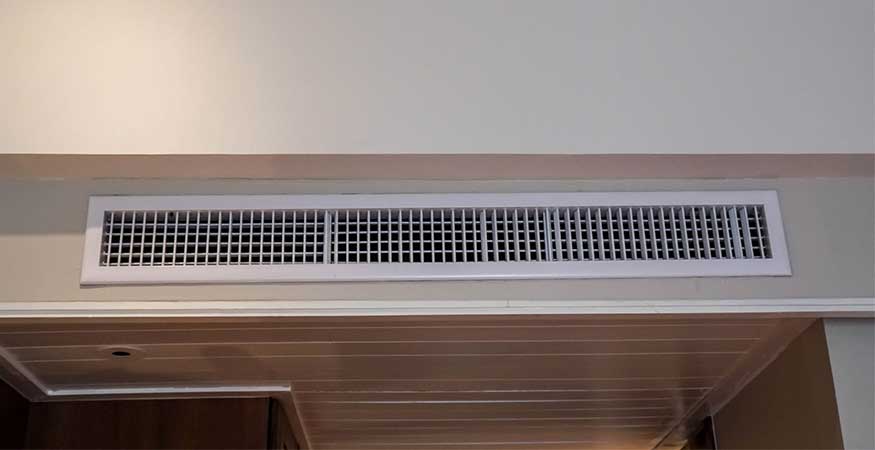
Indoor air quality affects breathing, oxygen levels, and the body's natural sleep cycle, with pollutants like dust, allergens, chemicals, and high carbon dioxide levels interrupting sleep and preventing deep restorative stages.
- Poor air quality irritates airways and causes frequent awakenings, shallow breathing, and reduced oxygen levels during sleep. Clean bedroom air supports uninterrupted sleep cycles and healthier respiratory performance.
- Common sleep disruptors include particulate matter from dust and smoke, VOCs from furniture and cleaning products, carbon dioxide buildup in poorly ventilated rooms, and allergens like dust mites and pet dander. These pollutants trigger congestion and breathing issues at night.
- Improving bedroom air involves using HEPA air purifiers, replacing HVAC filters regularly, cleaning frequently, controlling humidity between 40-50%, and limiting pollution sources. Better air quality allows the body to complete full sleep cycles naturally.
How does indoor air quality affect sleep?
Indoor air quality directly impacts sleep by influencing breathing patterns, oxygen levels, and the body's natural sleep cycle. Poor air quality in the bedroom can disrupt rest without people realizing it, making it harder to achieve restorative sleep. Cleaner air supports better respiratory function and helps maintain healthy sleep patterns throughout the night.
Many people struggle with poor sleep without realizing that the air inside their bedroom may be part of the problem. Indoor air quality affects breathing, oxygen levels, and the body’s natural sleep cycle.
Dust, allergens, chemical pollutants, and high carbon dioxide levels can interrupt sleep and prevent the body from reaching deep restorative stages.
Understanding how indoor air quality affects sleep helps homeowners create healthier sleeping environments that support deeper and more refreshing rest.
Why Clean Air Is Important for Quality Sleep
The human respiratory system moves about 11,000 liters of air through the lungs during a typical eight-hour sleep period. The quality of bedroom air affects how well people sleep and how their bodies recover overnight.
How Poor Air Quality Disrupts Sleep
During a typical night of sleep, the human body breathes thousands of liters of air. When bedroom air contains pollutants or allergens, it can interfere with normal breathing and disrupt sleep cycles.
Poor air quality often irritates the airways. This irritation can lead to frequent awakenings, shallow breathing, and reduced oxygen levels.
Clean bedroom air supports:
- Uninterrupted sleep cycles
- Better oxygen circulation during sleep
- Improved immune system function
- Healthier respiratory performance
- Deeper and more restorative sleep stages
When air quality improves, many people notice longer sleep duration and fewer nighttime disruptions.
Common Air Pollutants That Disrupt Sleep
Several indoor air pollutants can negatively affect sleep quality. These contaminants irritate breathing passages and trigger allergic reactions that disturb sleep patterns.
Particulate Matter (PM2.5 and PM10)
Particulate matter refers to extremely small particles that float in the air.
Sources include:
- Dust and dirt particles
- Smoke and cooking residue
- Pollen and outdoor pollution
- Dust mite waste
These particles irritate the lungs and can cause coughing, congestion, and nighttime breathing discomfort.
Volatile Organic Compounds (VOCs)
VOCs are chemical gases released from many household products.
Common sources include:
- Furniture and mattresses
- Cleaning chemicals
- Air fresheners and aerosol sprays
- Paints and building materials
These compounds can irritate the nervous system and interfere with the body’s ability to enter deep sleep stages.
Carbon Dioxide Buildup
Carbon dioxide naturally accumulates in bedrooms during sleep, especially in poorly ventilated rooms.
High CO₂ levels may cause:
- Restless sleep
- Headaches in the morning
- Reduced deep sleep stages
- Fatigue during the day
Proper ventilation helps maintain healthy oxygen levels during sleep.
Allergens and Biological Pollutants
Bedrooms often contain allergens that accumulate in bedding and carpets.
Common sleep-disrupting allergens include:
- Dust mites living in mattresses and pillows
- Pet dander from cats and dogs
- Mold spores from damp areas
- Pollen carried indoors from outside
These allergens trigger histamine release in the body, which can cause congestion, sneezing, and nighttime breathing issues.
Ideal Bedroom Air Conditions for Healthy Sleep
Maintaining proper temperature, humidity, and ventilation helps create an environment that supports healthy sleep.
Recommended Bedroom Temperature
Sleep experts suggest maintaining bedroom temperatures between:
60–67°F (15–19°C)
Cooler temperatures help regulate the body’s internal clock and support deeper sleep cycles.
Balanced Humidity Levels
Humidity also plays an important role in indoor air quality.
Recommended humidity levels:
40% – 50%
Proper humidity prevents:
- Mold growth
- Dust mite infestations
- Dry nasal passages
- Throat irritation
A hygrometer can help monitor humidity levels inside the bedroom.
Proper Ventilation
Fresh air circulation helps remove pollutants and prevent carbon dioxide buildup.
Improving ventilation may include:
- Opening windows when outdoor air quality is good
- Using mechanical ventilation systems
- Running ceiling or exhaust fans
- Installing air purifiers
Better airflow improves bedroom air quality and sleep comfort.
Signs Poor Air Quality Is Affecting Your Sleep
Many people experience sleep problems without realizing that indoor air pollution may be the cause.
Common signs include:
- Waking up frequently during the night
- Morning headaches
- Dry throat or nasal congestion
- Allergies worsening at night
- Difficulty reaching deep sleep
- Persistent daytime fatigue
If these symptoms occur regularly, checking bedroom air quality may help identify the cause.
Simple Ways to Improve Bedroom Air Quality
Improving indoor air quality does not always require major changes. Several simple steps can significantly improve the air you breathe while sleeping.
Use a HEPA Air Purifier
High-efficiency particulate air (HEPA) filters remove 99.97% of airborne particles.
Air purifiers help eliminate:
- Dust particles
- Pollen
- Mold spores
- Pet dander
- Smoke particles
Running an air purifier overnight can noticeably improve sleep comfort.
Replace HVAC Filters Regularly
Air conditioning and heating systems circulate air throughout the home.
Dirty filters allow dust and pollutants to continue circulating.
Recommended maintenance:
- Replace filters every 3 months
- Replace monthly during heavy HVAC usage
- Use high-efficiency filtration when possible
Clean filters improve both air quality and energy efficiency.
Dust and allergens accumulate quickly in sleeping areas.
Effective cleaning habits include:
- Vacuum carpets twice per week
- Wash bedding weekly in hot water
- Wipe surfaces with microfiber cloths
- Reduce clutter that collects dust
Regular cleaning helps reduce allergen exposure during sleep.
Control Indoor Humidity
Excess moisture encourages mold growth and dust mite populations.
Humidity can be controlled by:
- Using dehumidifiers
- Improving ventilation
- Fixing water leaks
- Avoiding excessive indoor moisture
Balanced humidity supports cleaner bedroom air and better sleep quality.
Limit Indoor Pollution Sources
Certain products release chemical pollutants that affect indoor air quality.
Reducing exposure may include:
- Choosing fragrance-free cleaning products
- Avoiding aerosol sprays
- Allowing new furniture to off-gas before bedroom use
- Keeping pets out of sleeping areas
Minimizing pollution sources helps maintain healthier bedroom air overnight.
The Connection Between Air Quality and Deep Sleep
Healthy sleep requires uninterrupted movement through different sleep stages, including light sleep, deep sleep, and REM sleep.
When indoor air contains pollutants or allergens, the body reacts by partially waking up throughout the night.
These interruptions prevent the body from achieving deep restorative sleep, which is essential for:
- Brain recovery
- Immune system strength
- Hormone regulation
- Memory processing
- Physical repair
Improving indoor air quality allows the body to complete full sleep cycles naturally.