
Ways to Reduce Your Winter Heating Bills | Smart Energy-Saving Tips for Homes & Businesses
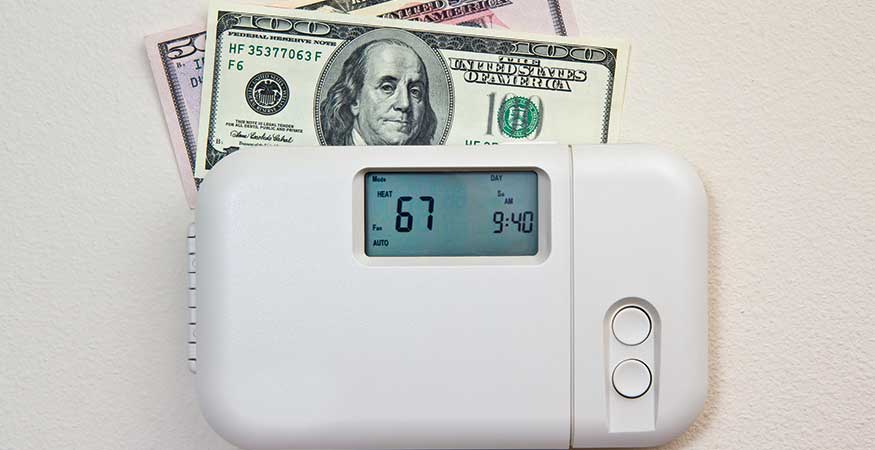
Homeowners can reduce winter heating bills by focusing on three key areas: insulation, air sealing, and heating system optimization. These improvements help homes retain heat, prevent energy waste, and reduce the workload on heating systems.
- Upgrading insulation in attics, exterior walls, basements, and floors helps maintain consistent indoor temperatures and reduces overall heating demand. Higher R-values provide stronger protection against winter heat loss.
- Sealing air leaks around windows, doors, vents, and other gaps can prevent 25-40% of heating energy waste. Weatherstripping, caulk, and spray foam are effective sealing materials.
- Regular heating system maintenance and upgrades to energy-efficient equipment can improve efficiency by 15-30%. Lowering the thermostat 7-10°F for eight hours daily can reduce heating bills by 10-15% annually.
How to reduce winter heating bills effectively?
Homeowners can reduce winter heating bills by focusing on three main areas: insulation, air sealing, and heating system optimization. Proper insulation prevents heat loss through walls and attics, while air sealing eliminates drafts around windows and doors. Optimizing your heating system through regular maintenance and smart thermostat use helps maintain efficiency and lower energy costs throughout the cold season.
Winter heating costs can quickly increase household expenses. Fortunately, homeowners can reduce heating bills and improve energy efficiency by focusing on three key areas: insulation, air sealing, and heating system optimization.
Improving these areas helps your home retain heat, prevents energy waste, and reduces the workload on your heating system. Even small changes can significantly lower winter heating costs and improve indoor comfort.
Improve Home Insulation to Prevent Heat Loss
Insulation acts as a thermal barrier that keeps warm air inside your home during the winter. Poor insulation allows heat to escape, forcing your heating system to work harder and increasing energy bills.
The most important areas to insulate include:
- Attics and roof spaces
- Exterior walls
- Basements and crawl spaces
- Floors above unheated areas
Upgrading insulation in these areas helps maintain consistent indoor temperatures and reduces overall heating demand.
Choose the Right Type of Insulation
Different insulation materials provide varying levels of thermal protection.
Common options include:
- Fiberglass batts – Affordable and commonly used between wall studs and ceiling joists
- Spray foam insulation – Expands to seal gaps and create an airtight barrier
- Blown-in cellulose – Ideal for filling attic spaces and existing wall cavities
- Rigid foam boards – Often used on exterior walls or foundation areas
Selecting the correct material and installing it properly ensures the insulation performs effectively.
Understand R-Value for Better Insulation
Insulation effectiveness is measured using R-value, which indicates resistance to heat flow.
Typical recommendations include:
- R-38 to R-60 for attics
- R-13 to R-21 for exterior walls
- R-19 to R-30 for floors above crawl spaces
Higher R-values provide stronger protection against winter heat loss.
Seal Air Leaks Around Doors, Windows, and Vents
Air leaks are one of the most common reasons for high heating bills. Studies show that leaks can waste 25–40% of a home’s heating energy.
Sealing gaps around the home prevents warm air from escaping and keeps cold air outside.
Common Locations Where Air Leaks Occur
Check these areas for gaps or cracks:
- Window frames and sashes
- Door frames and thresholds
- Electrical outlets on exterior walls
- Plumbing and pipe penetrations
- Attic hatches and crawl space entrances
- Dryer vents, bathroom vents, and HVAC registers
Addressing these leak points can significantly reduce heating costs in winter.
Materials That Help Seal Air Leaks
Several inexpensive materials can improve your home’s airtightness.
Effective sealing products include:
- Weatherstripping for doors and movable windows
- Exterior caulk for cracks in siding and window frames
- Spray foam insulation for gaps around pipes and cables
- Door sweeps to block airflow beneath exterior doors
Using these materials prevents heat loss and improves indoor comfort.
Maintain and Optimize Your Heating System
A poorly maintained heating system uses more energy and produces uneven heat throughout the home. Regular maintenance helps your furnace, boiler, or heat pump operate efficiently.
Proper maintenance can improve system efficiency by 15–30%.
Essential Heating System Maintenance Tasks
Homeowners should perform or schedule these tasks regularly:
- Replace or clean air filters monthly during winter
- Schedule annual professional HVAC inspections
- Inspect and seal leaky ductwork
- Clean vents and registers to maintain airflow
- Ensure the thermostat functions correctly
These steps help your heating system deliver consistent warmth while minimizing energy waste.
Upgrade to Energy-Efficient Equipment
If your heating system is older, upgrading to modern equipment can significantly reduce heating bills.
Energy-efficient options include:
- High-efficiency furnaces with AFUE ratings above 95%
- Modern heat pumps designed for cold climates
- Condensing boilers that maximize fuel efficiency
- Smart thermostats that automatically adjust temperatures
These upgrades reduce fuel consumption while maintaining indoor comfort.
Use Smart Heating Habits to Lower Energy Consumption
Daily habits also play an important role in lowering heating costs. Simple adjustments to how you use your heating system can produce noticeable savings.
Adjust Thermostat Settings
Lowering your thermostat during certain hours reduces heating demand.
Energy experts recommend:
- Lowering the temperature 7–10°F for eight hours per day
- Using programmable or smart thermostats
- Reducing heat while sleeping or away from home
These adjustments can lower heating bills by 10–15% annually.
Control Heat Loss Through Windows
Windows are a major source of heat loss during winter.
- Close curtains or blinds at night to retain heat
- Open south-facing curtains during sunny days to capture natural warmth
- Use thermal curtains for additional insulation
These simple strategies help maintain indoor temperatures and reduce heating demand.
Benefits of Reducing Winter Heating Costs
Improving energy efficiency provides multiple long-term benefits for homeowners.
Key advantages include:
- Lower monthly utility bills
- Improved indoor comfort
- Reduced strain on HVAC systems
- Longer heating system lifespan
- Lower environmental impact from energy use
By combining insulation upgrades, air sealing, heating system maintenance, and smart energy habits, homeowners can significantly reduce winter heating bills and improve home efficiency.