
Clever Range Hood Ideas That Improve Ventilation | Smart Kitchen Design Tips for Better Airflow & Cleaner Cooking Spaces
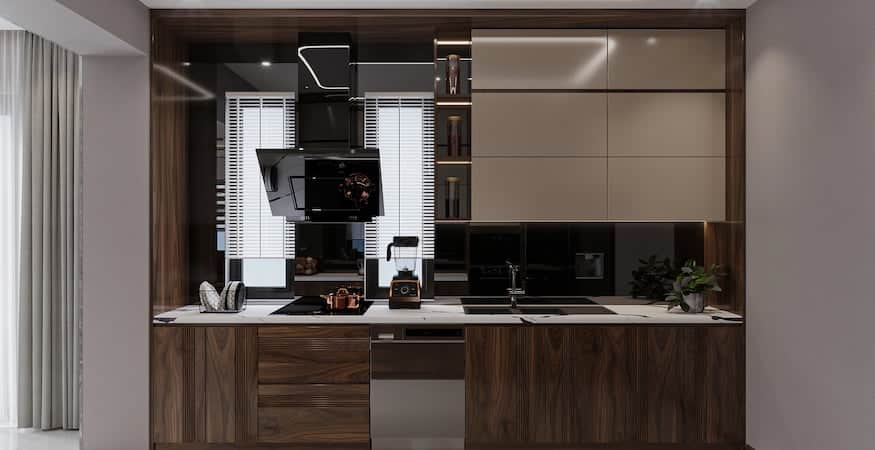
Modern range hood ventilation systems remove smoke, steam, grease, and cooking odors while maintaining better indoor air quality through improved airflow efficiency, smart technology, and optimized duct design.
- Vented range hoods push contaminated air outside through ductwork and provide the strongest ventilation performance, while ductless systems filter and recirculate air back into the kitchen. Vented systems work best for frequent or high-heat cooking.
- High-efficiency range hoods use EC motors that consume 50-70% less electricity while delivering airflow up to 1200 CFM. Variable-speed settings adjust fan power automatically and keep noise under 40 decibels during normal cooking.
- Smart ventilation features include heat sensors, humidity sensors, and air-quality sensors that detect cooking conditions and adjust airflow automatically. Inline and remote blower systems reduce noise near the cooktop and improve performance in open-concept kitchens.
What are the benefits of proper kitchen ventilation with a range hood?
Proper kitchen ventilation with a range hood prevents smoke, steam, grease, and cooking odors from spreading throughout your home. Modern range hood ventilation systems effectively remove contaminated air and maintain better indoor air quality during cooking, creating a cleaner and more comfortable cooking environment for your household.
Proper kitchen ventilation keeps smoke, steam, grease, and cooking odors from spreading throughout your home. Modern range hood ventilation systems remove contaminated air and maintain better indoor air quality while cooking.
These clever range hood ideas that improve ventilation focus on airflow efficiency, smart technology, and optimized duct design. Whether you’re upgrading a kitchen or installing a new hood, the right ventilation strategy helps maintain cleaner air and better cooking conditions.
Choose the Right Type of Range Hood for Your Kitchen
Selecting the correct hood design plays a major role in improving kitchen ventilation. The right model depends on your kitchen layout and cooking habits.
Vented Range Hoods
Vented systems push contaminated air outside through metal ductwork.
Key advantages include:
- Removes smoke, grease, and odors completely
- Provides the strongest ventilation performance
- Ideal for frequent or high-heat cooking
- Improves overall indoor air quality
These systems work best when ductwork connects directly to an exterior wall or roof vent.
Ductless Range Hoods
Ductless systems filter air and recirculate it back into the kitchen.
Common benefits include:
- Easier installation in apartments or condos
- No exterior ductwork required
- Lower installation costs
- Effective for light cooking
Charcoal filters capture odors and grease before releasing cleaned air back into the kitchen.
Upgrade to High-Efficiency Ventilation Systems
Modern range hoods with high-efficiency designs work better than older models through improved motors and smart duct shapes. These kitchen exhaust systems use EC motors (electronically commutated motors) that need 50-70% less electricity while still pulling out smoke and steam at rates up to 1200 cubic feet per minute.
The smooth ductwork creates less friction, which helps air move freely even in small kitchen spaces.
Top-quality range hoods include variable-speed settings that sense how much cooking happens and adjust the fan power automatically. This smart feature keeps noise under 40 decibels during normal cooking — about as quiet as a library.
The stainless steel baffle filters catch cooking grease and oil better than old-style mesh screens. These metal baffles need cleaning less often and let air pass through more easily.
Inline blower systems place the motor unit away from the stovetop area. This design choice gives you more storage room in your kitchen cabinets and cuts down on noise near where you cook.
Remote blower installations work well in open kitchen layouts connected to living rooms or dining areas, where keeping things quiet matters most.
Homeowners should check the capture efficiency rating — a measurement showing how well the hood removes cooking fumes and particles — before buying a ventilation system sized right for their cooking habits and kitchen layout.
Install High-Efficiency Ventilation Systems
Modern high-efficiency range hood systems deliver better airflow while using less energy.
Many new ventilation units include advanced features designed to improve kitchen air movement.
Features That Improve Ventilation Performance
- Variable-speed fan controls that match cooking intensity
- Capture-efficiency designs that trap smoke more effectively
- Quiet operation often below 40 decibels
- Powerful airflow capacities reaching 900–1200 CFM
High-efficiency systems remove heat, steam, and grease faster while keeping noise levels low.
Install High-Efficiency Ventilation Systems
Modern high-efficiency range hood systems deliver better airflow while using less energy.
Many new ventilation units include advanced features designed to improve kitchen air movement.
Features That Improve Ventilation Performance
- Variable-speed fan controls that match cooking intensity
- Capture-efficiency designs that trap smoke more effectively
- Quiet operation often below 40 decibels
- Powerful airflow capacities reaching 900–1200 CFM
High-efficiency systems remove heat, steam, and grease faster while keeping noise levels low.
Improve Airflow With Proper Ducting Design
Grease capture plays a major role in ventilation efficiency. Stainless steel baffle filters perform better than traditional mesh filters.
These filters use angled metal plates that force air to change direction quickly. As air spins through the baffles, heavier grease particles collect on the metal surfaces.
Advantages of Baffle Filters
- Capture more grease from cooking fumes
- Improve airflow through the hood system
- Require cleaning less often than mesh filters
- Last longer due to durable stainless steel construction
Most baffle filters need cleaning only every 2–3 months, depending on cooking frequency.
Smart Design Features That Boost Ventilation
Modern kitchen ventilation systems include smart technology that improves performance automatically.
These advanced features monitor cooking conditions and adjust airflow accordingly.
Smart Ventilation Features
- Heat sensors that increase fan speed when burners get hot
- Humidity sensors that detect steam from boiling water
- Air-quality sensors that detect smoke particles
- Automatic fan controls based on cooking activity
These systems provide powerful ventilation only when needed, improving energy efficiency and maintaining better kitchen air quality.
Inline and Remote Blower Systems
Some kitchens benefit from relocating the fan motor away from the cooking area.
Inline blower systems install the motor inside the duct line, while remote blowers mount the motor on the roof or exterior wall.
Benefits of Remote Blower Systems
- Reduce noise near the cooktop
- Improve airflow through longer duct runs
- Free up space inside kitchen cabinets
- Provide stronger ventilation performance
These systems are especially helpful in open-concept kitchens connected to living or dining spaces.
Improve Kitchen Air Quality With Better Range Hood Ventilation
Smart design choices can dramatically improve kitchen ventilation. By combining efficient motors, proper ductwork, powerful airflow ratings, and smart ventilation controls, homeowners can remove smoke, grease, and odors more effectively.
Upgrading your range hood ventilation system not only improves indoor air quality but also keeps your kitchen cleaner and more comfortable during everyday cooking.