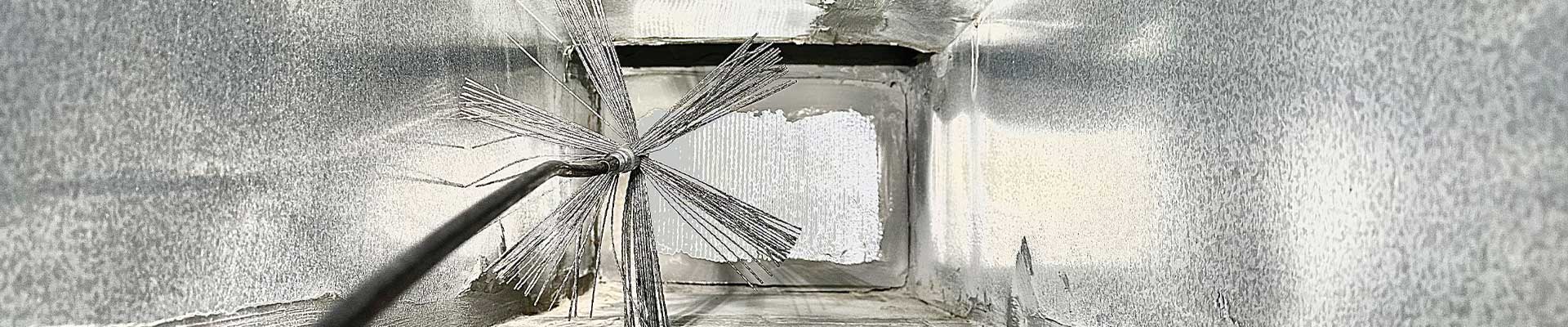
Colorado's commercial buildings face unique indoor air quality challenges, with 40% of office workers reporting respiratory symptoms linked to poor ventilation systems. Commercial duct cleaning addresses the accumulation of dust, debris, and contaminants that compromise air quality and system efficiency in business environments.
Professional commercial duct cleaning involves comprehensive removal of accumulated particles from HVAC systems, including supply and return ducts, registers, grilles, diffusers, heat exchangers, and cooling coils. This process requires specialized equipment and techniques designed for larger commercial systems that serve multiple zones and higher occupancy loads.
Centennial's elevation at 5,500 feet and semi-arid climate create specific challenges for commercial properties. The dry air increases static electricity, attracting more dust particles to ductwork, while seasonal temperature swings cause expansion and contraction that can loosen debris within systems.
Improved indoor air quality for employees and customers
Enhanced HVAC system efficiency and reduced energy costs
Extended equipment lifespan through reduced strain on components
Compliance with health and safety regulations for commercial spaces
Common issues in Centennial, CO
Centennial's location along the Front Range creates specific environmental conditions that impact commercial ductwork. The area experiences frequent chinook winds that carry fine particulates and allergens, which accumulate rapidly in HVAC systems. These seasonal wind patterns, combined with the region's low humidity levels averaging 35-45%, create ideal conditions for dust buildup and static charge accumulation.
The city's rapid commercial development over the past two decades means many buildings feature modern HVAC systems that weren't properly cleaned during construction. Construction debris, drywall dust, and installation materials often remain in ductwork, reducing air quality from day one. Additionally, Centennial's proximity to major highways like I-25 and C-470 exposes commercial buildings to vehicle emissions and road dust.
Local businesses frequently report issues during spring months when pollen counts spike and during winter when heating systems circulate accumulated contaminants. The area's temperature fluctuations – often 30-40 degree swings within 24 hours – cause ductwork to expand and contract, loosening debris and creating air leaks that reduce system efficiency.
Excessive dust accumulation from Front Range winds and dry climate
Construction debris in newer commercial buildings
Pollen and allergen infiltration during spring seasons
Vehicle emissions from nearby major transportation corridors
Static electricity buildup attracting particles in low-humidity conditions
Ductwork damage from temperature-related expansion and contraction
Our commercial duct cleaning process begins with a comprehensive system assessment using video inspection technology to identify problem areas and document pre-cleaning conditions. This initial evaluation helps us develop a customized cleaning strategy for your specific HVAC configuration and contamination levels.
We utilize powerful negative air machines and specialized brushing equipment designed for commercial-grade ductwork. Our process involves creating negative pressure throughout the system while agitating debris with rotating brushes and compressed air tools, ensuring thorough removal of accumulated contaminants.
Pre-inspection and system documentation with video equipment
Protection of work areas and sensitive equipment with containment barriers
Strategic access point creation for optimal cleaning coverage
Negative pressure establishment throughout the entire duct system
Mechanical agitation and debris removal using specialized tools
Sanitization and deodorization of cleaned ductwork
Post-cleaning inspection and system performance verification
Detailed reporting with before-and-after documentation
Throughout the process, we maintain constant communication with facility managers to minimize business disruption. Our team coordinates scheduling around your operational needs and provides regular updates on progress and any discoveries that might impact system performance.
HEPA-filtered vacuum systems preventing cross-contamination
EPA-approved antimicrobial treatments for enhanced sanitation
Flexible scheduling options including after-hours and weekend service
Comprehensive debris removal and proper disposal procedures
Action Air Duct holds NADCA (National Air Duct Cleaners Association) certification and maintains comprehensive commercial liability insurance specifically for large-scale duct cleaning operations. Our technicians complete ongoing training in commercial HVAC systems and stay current with industry best practices for different building types and system configurations.
We've served Centennial's commercial community for over a decade, developing expertise with the area's specific environmental challenges and building characteristics. Our local presence means rapid response times and familiarity with common HVAC installations in the region's office parks, retail centers, and industrial facilities.
Our commitment extends beyond the cleaning process itself. We provide detailed post-service reports with photographic documentation, maintenance recommendations, and scheduling assistance for future preventive services. Every project includes a satisfaction guarantee and follow-up consultation to address any concerns or questions about system performance.
NADCA certification and specialized commercial equipment
Decade-plus experience serving Centennial business community
24-hour response capability for emergency situations
Detailed documentation and maintenance planning support
Centennial's commercial building stock reflects the city's incorporation in 2001 and subsequent rapid development. Most commercial structures were built between 1990-2015, featuring modern HVAC systems with complex zoning and variable air volume controls. These newer buildings typically include larger ductwork networks serving multiple tenant spaces, creating extensive systems that require specialized cleaning approaches.
The area's commercial properties predominantly consist of mid-rise office buildings, retail centers, and mixed-use developments constructed with steel frame and concrete construction methods. This building style often incorporates suspended ceiling systems with extensive ductwork runs above drop ceilings, making access challenging but necessary for thorough cleaning.
Many Centennial commercial buildings feature energy-efficient designs with tighter building envelopes and sophisticated air handling systems. While these designs improve energy performance, they also create environments where contaminants can accumulate more readily since there's less natural air infiltration to dilute indoor pollutants. The prevalence of open office layouts and shared air systems means contamination in one area can quickly spread throughout the entire building.
Complex multi-zone HVAC systems requiring specialized cleaning techniques
Extensive ductwork networks serving large floor plates and multiple tenants
Energy-efficient building envelopes that concentrate indoor air pollutants
Suspended ceiling systems creating accessibility challenges for cleaning
Centennial sits at 5,500 feet elevation in Colorado's semi-arid climate zone, experiencing average humidity levels of just 35-45% year-round. This low humidity environment increases static electricity buildup in ductwork, causing dust and particles to adhere more readily to interior surfaces. The dry conditions also mean that once contaminants enter duct systems, they tend to remain suspended longer and accumulate in greater concentrations.
The area receives approximately 300 days of sunshine annually, but experiences significant seasonal temperature variations ranging from winter lows near 0°F to summer highs exceeding 95°F. These temperature extremes cause ductwork materials to expand and contract repeatedly, potentially loosening joints and creating air leaks that reduce system efficiency while allowing additional contaminants to enter the system.
Air quality in Centennial is generally good but subject to seasonal challenges from Front Range wind patterns that carry dust, pollen, and particulates from agricultural areas and construction sites. The Colorado Department of Public Health monitors PM2.5 and ozone levels, noting occasional spikes during wildfire seasons and high-wind events. Commercial buildings must account for these periodic air quality challenges when planning HVAC maintenance and cleaning schedules.
Low humidity levels increasing static-driven particle attraction to ductwork
Extreme temperature swings causing ductwork expansion and potential air leaks
Seasonal air quality challenges from wind-borne particulates and wildfire smoke
High UV exposure potentially degrading flexible ductwork materials over time
Indoor Air Quality Data in Centennial
Recent studies by the Colorado Department of Public Health indicate that Centennial commercial buildings experience indoor air quality challenges related to the region's unique environmental conditions. PM2.5 concentrations in local commercial spaces average 12-18 μg/m³, often exceeding recommended levels during wildfire seasons and high-wind events. The Colorado Air Quality Control Commission reports that Front Range communities, including Centennial, face periodic ozone alerts that can impact indoor environments when HVAC systems draw in outdoor air.
Local air quality monitoring data shows that Centennial experiences approximately 25-30 days per year with elevated particulate matter levels, primarily during spring months when chinook winds carry dust and allergens from surrounding areas. The South Suburban Parks and Recreation District has documented increased respiratory complaints at their facilities during these periods, highlighting the importance of effective air filtration and duct cleaning in commercial spaces.
The Colorado State University Extension office reports that Centennial's elevation and climate contribute to unique indoor air challenges. Buildings in the area show higher concentrations of dust mites and allergens compared to sea-level locations, while the dry climate increases the persistence of airborne particles. Commercial facilities serving sensitive populations – including schools, healthcare facilities, and senior centers – require more frequent duct cleaning cycles to maintain acceptable indoor air quality standards.
PM2.5 levels averaging 12-18 μg/m³ in commercial buildings
25-30 annual days with elevated particulate matter concentrations
Increased allergen persistence due to low-humidity conditions
Higher dust mite concentrations compared to lower-elevation areas
Periodic ozone alerts affecting indoor air quality management