
How Long Does a Furnace Last and What Shortens Its Life?
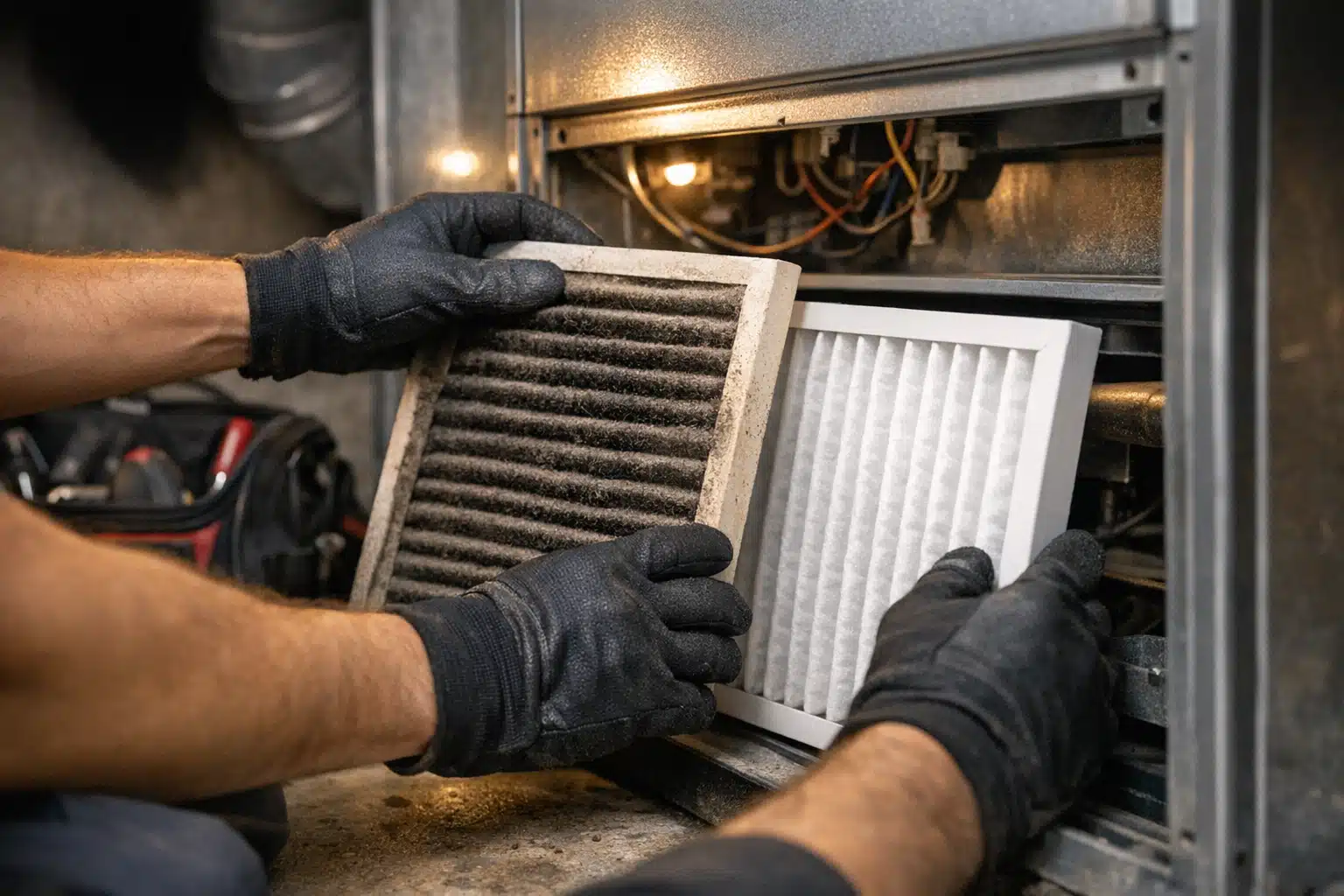
A gas furnace typically lasts 15 to 20 years with proper maintenance, while electric models can last 20 to 30 years. However, many furnaces in Denver fail earlier due to factors like lack of maintenance and environmental stressors.
- Regular maintenance, including annual tune-ups, is essential for extending furnace life. Ignoring components like heat exchangers and blower motors can lead to premature failure.
- Denver's unique climate, with cold winters and high altitude, puts additional strain on furnaces, making maintenance even more critical.
- Homeowners should watch for warning signs such as rising heating bills and uneven heating to address issues before they escalate.
How long does a furnace typically last?
A gas furnace usually lasts between 15 to 20 years, while electric furnaces can last from 20 to 30 years. The longevity of a furnace is influenced by factors such as maintenance, usage, and the type of furnace, with electric models generally having fewer moving parts and less wear from combustion.
How Long Does a Furnace Last? The Short Answer
A gas furnace lasts 15 to 20 years with regular maintenance. Electric furnaces can run 20 to 30 years because they have fewer moving parts and no combustion wear.
That range assumes the unit gets annual care. On Denver service calls, our techs see furnaces fail at 10 or 12 years because small problems went unchecked for seasons.
This post breaks down how long does a furnace last under real conditions, the furnace lifespan factors that matter most, and the quiet components that cut years off a system before anyone notices.
What Determines Furnace Lifespan Along the Front Range
Denver furnaces work hard. Cold winters, high-altitude combustion, and wide daily temperature swings mean your furnace cycles more than units in milder climates.
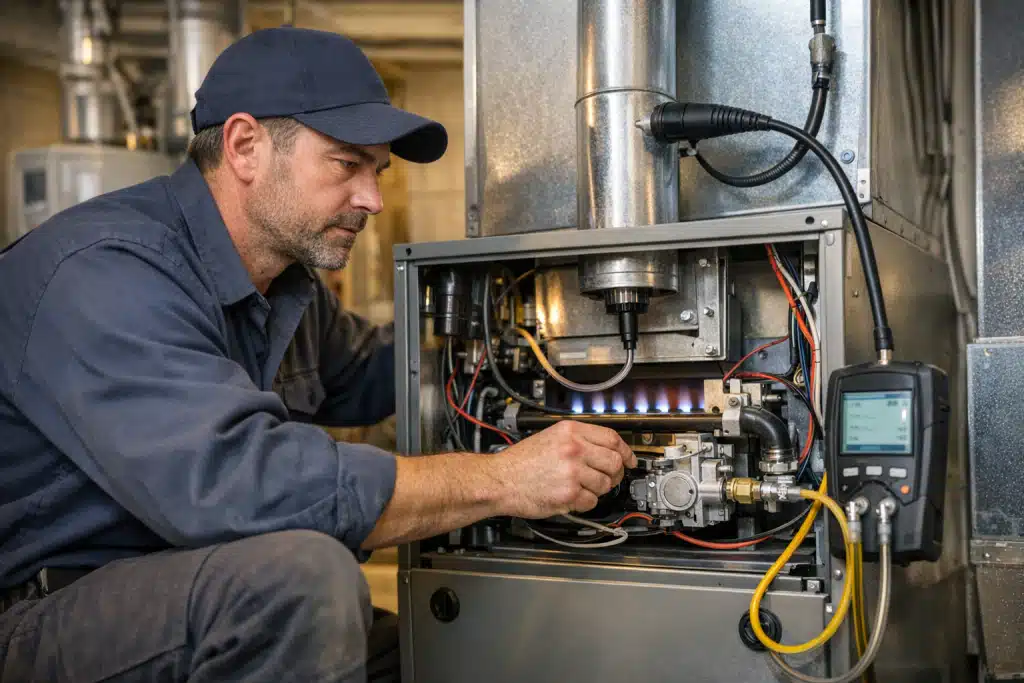
Several furnace lifespan factors decide whether you reach year 20 or replace at year 11:
- Maintenance history — annual tune-ups catch wear before it spreads.
- Airflow restriction — dirty filters and clogged ducts strain the blower.
- Installation quality — an oversized or undersized unit cycles wrong from day one.
- Run time — Denver’s long heating season adds operating hours.
- Altitude tuning — furnaces at 5,280 feet need correct gas pressure adjustment.
That last point matters here. A furnace set to sea-level combustion runs inefficiently in Denver, burning fuel wrong and wearing parts faster.
The Neglected Components That Quietly Cut Furnace Life Short
Most furnaces do not die from one dramatic failure. They decline because three parts get ignored year after year.
Clogged Heat Exchangers
The heat exchanger is the metal chamber that separates combustion gases from the air you breathe. When soot and debris build up, it overheats and the metal fatigues.
On service calls, we find cracked heat exchangers in furnaces barely past 10 years old. A cracked exchanger means carbon monoxide risk and almost always forces full replacement.
Warning signs of a struggling heat exchanger:
- Soot or rust streaks around the burner area
- A yellow flickering burner flame instead of steady blue
- A faint chemical or metallic smell during operation
- Frequent short-cycling on cold mornings
Dirty Blower Motors
The blower pushes heated air into your ducts. When dust coats the blower wheel, the motor works harder to move less air.
We have pulled blower wheels caked with half an inch of gray felt-like buildup. That motor was drawing extra current and running hot for years, shaving life off the whole unit.
A strained blower overheats, trips limit switches, and eventually burns out. Replacing a motor costs real money and often arrives right when you need heat most.
Restricted Airflow From Dusty Ducts
Your furnace and ductwork form one breathing system. When ducts fill with dust, pet dander, and construction debris, the furnace fights for airflow.
Restricted airflow traps heat inside the cabinet. That heat stresses the heat exchanger and the limit controls, and it forces longer run times to reach the thermostat setting.
In Denver, dust is a constant problem. Dry air, spring winds off the plains, and summer wildfire smoke load ducts faster than many owners expect.
How Denver Conditions Accelerate Furnace Wear
Local climate adds stress that owners in gentler regions never face.
- Long heating season: cold snaps can start in October and linger into April, adding cycles.
- Temperature swings: a 40-degree change in one day makes the furnace cycle on and off repeatedly.
- High altitude: thinner air changes combustion and demands correct burner calibration.
- Wildfire smoke and dust: fine particles clog filters and coat internal components.
- Dry indoor air: static and dust keep circulating, settling into the blower and ducts.
These conditions do not break a furnace overnight. They chip away at parts, and skipped maintenance lets that damage compound.

Maintenance That Adds Years to Your Furnace
A well-kept furnace reaching year 18 or 20 is normal. The steps below protect the parts that fail first.
Replace Filters on a Real Schedule
Check filters every month during winter. Replace standard one-inch filters every 60 to 90 days, and more often during wildfire smoke or if you have pets.
A clogged filter is the number one cause of airflow restriction we find. It strains the blower and overheats the cabinet.
Schedule an Annual Furnace Tune-Up
Book a furnace tune-up in early fall, before the first hard freeze. A thorough visit includes:
- Inspecting the heat exchanger for cracks and soot
- Cleaning the burners and checking flame color
- Testing gas pressure for Denver altitude
- Cleaning or checking the blower motor and wheel
- Verifying safety limits and the flame sensor
- Checking the thermostat and amp draw
This visit catches the slow-building problems that shorten furnace life. A cracked exchanger found early can mean a safety shutdown instead of a dangerous winter.
Clean the Ducts When Buildup Restricts Airflow
Duct cleaning removes the dust load that forces your furnace to overwork. Most Denver homes benefit from duct cleaning every 3 to 5 years, sooner after renovations or heavy smoke seasons.
When ducts are clear, the blower moves air with less strain and the heat exchanger runs cooler. That protects the two parts most likely to end a furnace early.
Watch for Early Warning Signs
Call for service when you notice any of the following:
- Rising heating bills with no change in habits
- Uneven heating between rooms
- Loud banging, screeching, or rattling at startup
- The furnace cycling on and off too frequently
- A yellow burner flame or any gas or chemical odor
Odors or a yellow flame mean shut the unit down and call a technician right away.
When Repair No Longer Makes Sense
Past 15 years, repair math shifts. A single large repair on an old furnace may cost more than it returns in remaining life.
Replace rather than repair when several of these are true:
- The furnace is 15 years or older
- The heat exchanger is cracked
- Repairs now exceed roughly half the cost of a new unit
- Heating bills keep climbing despite maintenance
- Rooms stay cold no matter the thermostat setting
A newer high-efficiency furnace cuts fuel use across Denver’s long heating season. Over years of cold weather, that saving is real.
What This Means for Your Furnace
A furnace lasts 15 to 20 years when its heat exchanger, blower, and ductwork stay clean and cared for. Neglect those parts and the same unit can fail in half that time.
Annual tune-ups, regular filter changes, and clean ducts are the difference between a furnace that quits early and one that carries your home through many Denver winters.
Protect your furnace before the cold sets in. Contact Action Air Duct for duct cleaning, furnace maintenance, or an airflow inspection. Call or text 720‑257‑3319, email tamir@actionairduct.net, or visit https://actionairduct.net.