Does a New Furnace Mean You Should Clean the Ducts Too?
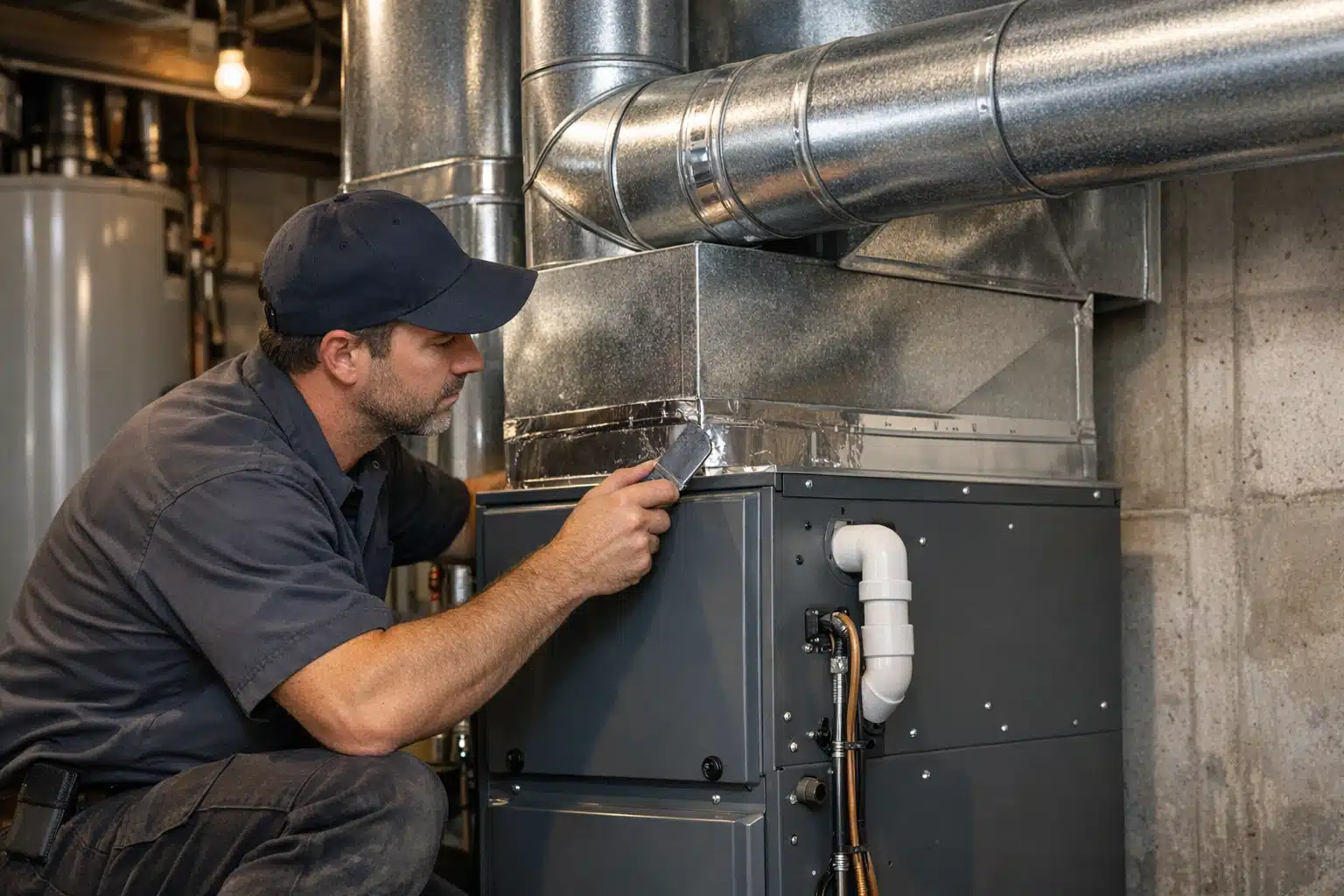
After installing a new furnace, it is advisable to clean the ducts to ensure optimal performance and air quality. Old debris and installation debris can hinder airflow and affect the efficiency of the new system.
- Cleaning ducts after a furnace replacement is important if the old system was never cleaned.
- Debris from the installation process can contaminate the ductwork, affecting air quality.
- Regular duct cleaning helps maintain the efficiency and lifespan of your new furnace.
Should you clean ducts after installing a new furnace?
Yes, it is advisable to clean the ducts after installing a new furnace. A new heating system can struggle to distribute warm air effectively if the ductwork is dirty, which can impact the overall efficiency and performance of your heating system.
A new furnace runs into trouble when it pushes warm air into dirty ductwork. If you installed new heating equipment recently, you may wonder whether you should clean ducts after a new furnace goes in. The short answer: in most Denver homes, yes.
Equipment installers rarely bring this up. Their job ends when the furnace fires up correctly, not when your indoor air gets cleaner.
This article covers what gets left behind in your ducts during an install, how old debris strains a brand-new unit, and when duct cleaning makes sense for Front Range homes and businesses.
Should You Clean Ducts After a New Furnace Install?
Cleaning your ducts after a furnace replacement is worth doing when the old system ran for years without a cleaning. A new furnace circulates air through the same ductwork that collected dust, pet dander, and allergens for a decade or more.
The furnace changed. The ducts did not.
Here is the part installers skip: replacing a furnace creates its own mess inside your system. Cutting, sealing, and fitting new equipment sends material straight into the ductwork.
What Installers Push Into Your Ducts During a Swap
During a furnace replacement, techs cut into plenum boxes and reseal connections. That work generates debris that falls into the supply and return trunks.
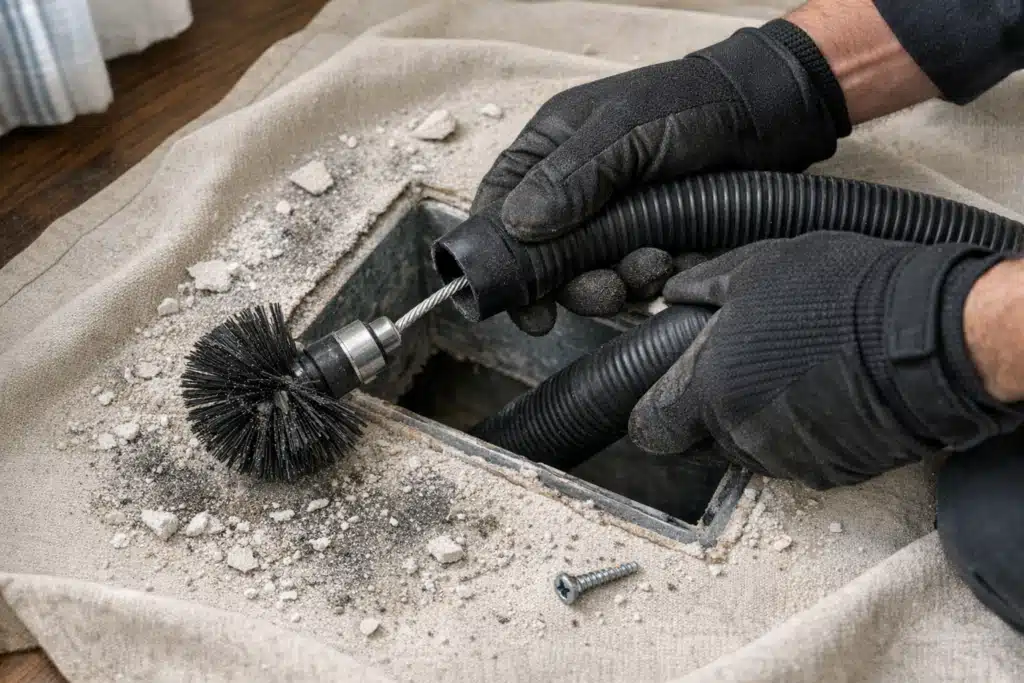
Items our crews pull from ductwork after a recent install include:
- Drywall dust and sheet metal shavings from cutting the plenum
- Insulation fibers dislodged when old equipment is removed
- Screws, wire nuts, and foil tape scraps dropped during the job
- Old filter fragments that disintegrated inside the cabinet
- Mastic sealant crumbs from resealing duct joints
None of this shows up in the install warranty paperwork. It sits in your ducts and rides the airflow into your rooms.
Why Old Duct Debris Undermines a Brand-New Furnace
A new furnace is engineered to move a set volume of air. Dirty ducts restrict that airflow and force the blower to work harder than it should.
Restricted airflow shortens the lifespan of a unit you just paid to install. It also drives up the energy use the new equipment was supposed to lower.
The Efficiency Problem Nobody Mentions
Denver winters demand long furnace run times from October into April. A high-efficiency furnace pulling air through caked ducts loses part of the efficiency gain you paid for.
Think of it like putting new tires on a car with clogged brake lines. The upgrade is real, but something downstream holds it back.
Indoor Air Quality Takes the Hit
A new furnace with a stronger blower stirs up settled debris more aggressively than your old unit did. That first week of heating can push stored dust into your living space.
Front Range homes deal with specific air problems that make this worse:
- Fine dust from Colorado’s dry, semi-arid climate
- Wildfire smoke particles that settle into ducts during summer and fall
- Pollen and allergens tracked in during spring temperature swings
- Pet dander that accumulates over years of recirculation
Households with allergy or asthma concerns notice the difference fastest.
When Duct Cleaning With Furnace Install Makes the Most Sense
Scheduling duct cleaning with furnace install timing gives you the cleanest start for your new equipment. The ideal window is right after the furnace is running but before you rely on it daily.
Cleaning at this point removes both the old buildup and the fresh install debris in one visit.
Situations That Call for Duct Cleaning After a New Furnace
Prioritize cleaning if any of the following apply to your home or building:
- Your ducts have never been cleaned or you do not know when they last were
- You see visible dust blowing from vents when the new furnace runs
- Someone in the home has allergies, asthma, or respiratory sensitivity
- You replaced the furnace after smoke or fire damage
- You had a remodel or construction before or during the install
- You notice musty or burning-dust odors during the first heating cycles
Commercial property managers should treat a rooftop or packaged unit swap the same way. Tenants notice air changes before anyone checks the ductwork.
When You Can Wait
Not every situation demands immediate cleaning. You can reasonably delay if your ducts were cleaned within the past few years and the install was clean and quick.
Even then, ask your installer whether they vacuumed the plenum and nearby trunk lines before closing up.
What Professional Duct Cleaning Covers After an Install
A thorough duct cleaning after a furnace swap targets both the long-term buildup and the construction mess. The work goes past a quick vent vacuum.
A proper visit addresses:
- Supply and return trunk lines where debris settles heaviest
- Individual branch runs to each room register
- The plenum area around the new furnace where install debris lands
- Registers and grilles that collect dust on their fins
- The blower compartment if accessible and in need
Agitation tools loosen stuck material, and a high-powered vacuum pulls it out of the system. This keeps debris from redepositing in the clean sections.
What to Expect From the Visit
A standard residential duct cleaning runs a few hours depending on home size and system layout. Larger homes and commercial buildings take longer.
A reputable crew shows you before-and-after conditions inside the ducts. You should see the difference, not take it on faith.

I thought they were good but they left while the dryer still had a clogged vent notification, so that was $300 down the drain and now we have a real company, Denver Vent Techs, actually troublshooting the issue and finding that a booster fan is both non-functional and blocking everything they tried to blow out. They used a camera to help identify the issue and tracked down the access panel, and are also replacing all the elbows with proper ones. Unfortunately they fleeced us for their money, but now we know who to use in the future.
How This Fits Into Denver HVAC Maintenance
A furnace replacement is a reset point for your whole system. Pairing it with duct cleaning sets a clean baseline you can maintain going forward.
Keep your new furnace performing with a straightforward routine:
- Replace the air filter every 1 to 3 months during heavy heating and cooling seasons
- Schedule a furnace tune-up each fall before Denver’s cold sets in
- Book a cooling check each spring ahead of warm summer stretches
- Plan duct cleaning every 3 to 5 years, sooner with pets or allergies
High-altitude operation means your equipment cycles under conditions sea-level units never face. Clean ducts reduce one more strain on a system working harder at elevation.
The Cost-of-Neglect Angle
Skipping duct cleaning after a new install does not break the furnace right away. It chips away at efficiency, air quality, and equipment life over time.
You spent money on new heating. Dirty ducts quietly cancel part of that return every month the blower runs.
Key Takeaways
A new furnace deserves clean ducts, because old buildup and install debris both work against your new equipment from day one. Cleaning right after the swap protects efficiency, improves indoor air, and extends the life of the unit you paid for.
Installers won’t flag this gap, but it directly affects what you get out of your investment.
Protect your new furnace and breathe cleaner air in your Denver home or business. Call or text Action Air Duct at 720‑257‑3319, email tamir@actionairduct.net, or visit https://actionairduct.net to schedule duct cleaning after your furnace install.