
5 Warning Signs Your Denver Home Needs Emergency AC Repair Before Summer Heat Peaks
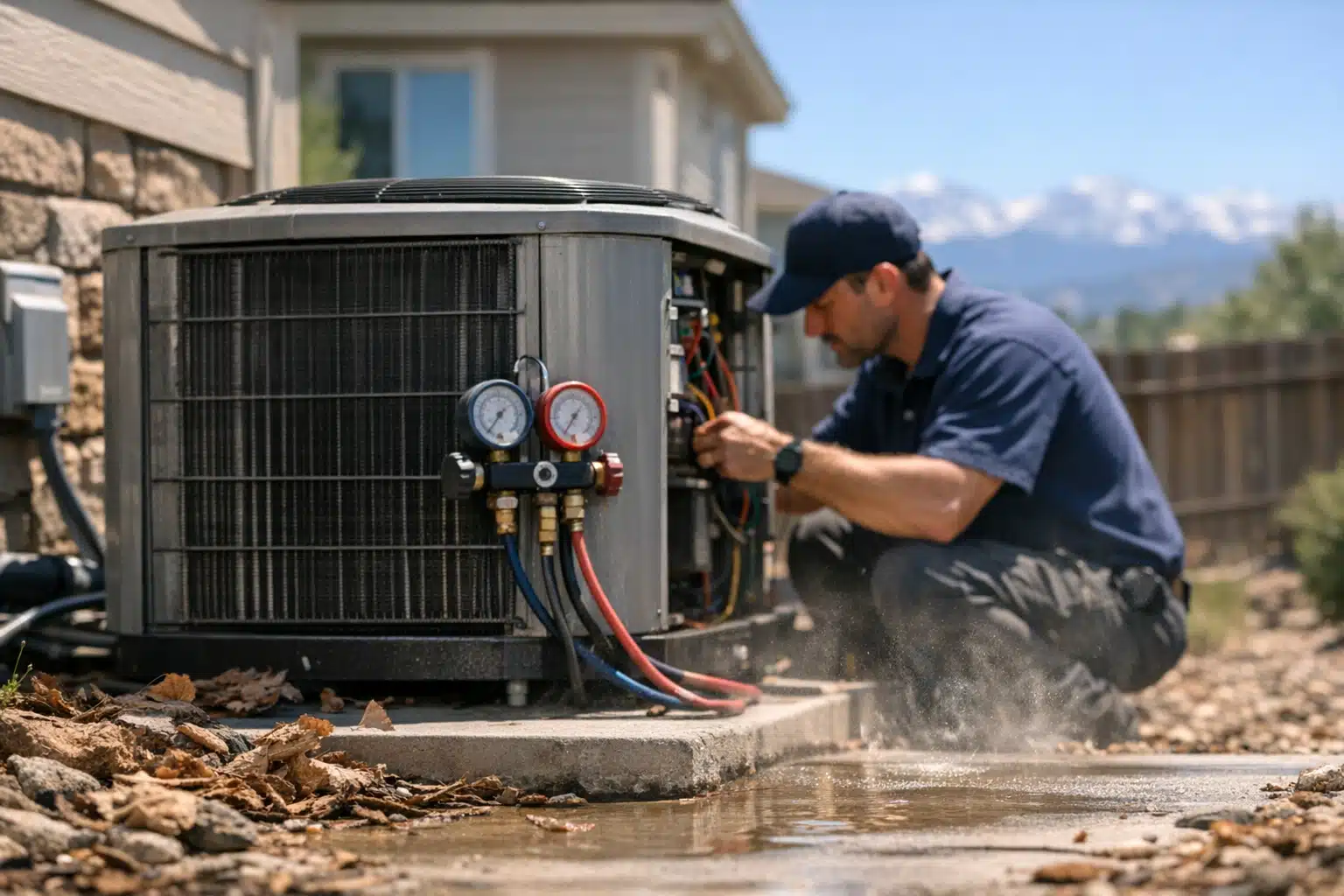
Denver homeowners should be aware of five warning signs that indicate their air conditioning system needs immediate repair to avoid discomfort and high emergency costs during summer heat. Recognizing these signs can help prevent complete system breakdowns when cooling is most needed.
- Unusual sounds like grinding or squealing may signal internal component failure, requiring urgent attention.
- Inconsistent cooling and hot spots in the home suggest refrigerant or airflow issues that could lead to system failure.
- Frequent circuit breaker trips and rising energy bills indicate electrical problems or inefficiencies that need to be addressed.
What are the warning signs that your Denver home needs emergency AC repair?
Warning signs that your Denver home requires emergency AC repair include unusual noises from the unit, insufficient cooling, frequent cycling on and off, water leaks around the system, and a noticeable increase in energy bills. Addressing these issues promptly can prevent discomfort and higher repair costs during peak summer heat.
Denver’s Summer Heat Demands Reliable AC Performance
Denver’s summer temperatures can spike from a comfortable 70°F morning to a sweltering 95°F afternoon within hours. When your air conditioning system fails during these peak heat days, you’ll face uncomfortable indoor temperatures and emergency repair costs that are often double the price of scheduled maintenance.
Recognizing **AC repair signs Denver** homeowners commonly overlook can prevent complete system breakdowns when you need cooling most. These five warning signs indicate your air conditioning system requires immediate professional attention before summer heat peaks.
Unusual Sounds Signal Internal AC Component Failure
Your air conditioning system should operate with consistent, quiet humming. **Grinding, squealing, or banging noises** indicate internal components are failing or have already sustained damage.
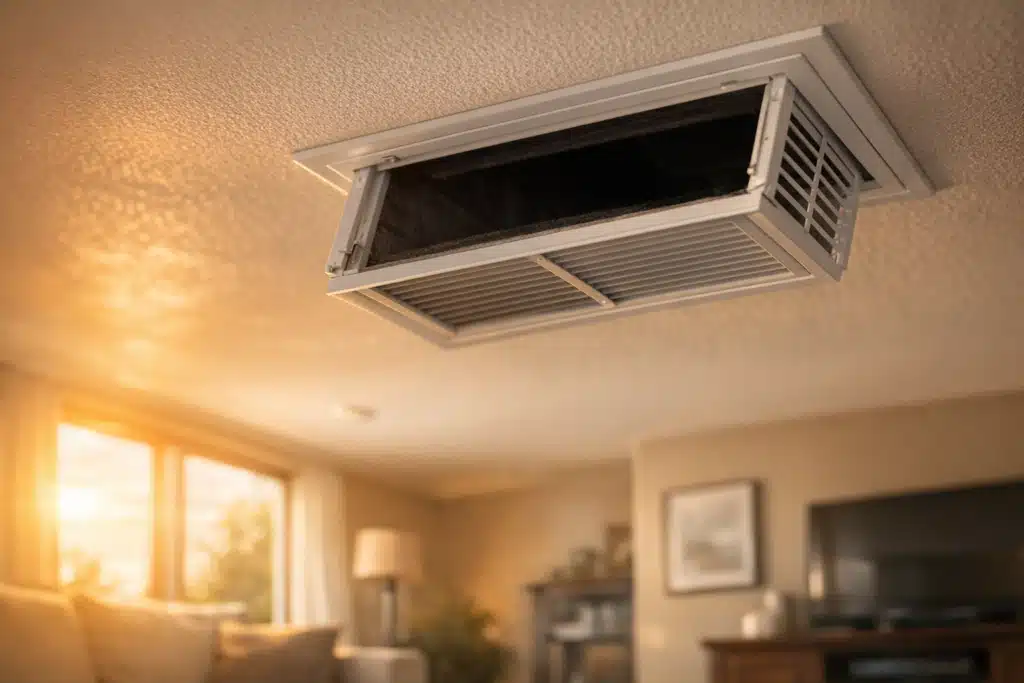
**Grinding sounds** typically mean your compressor bearings are wearing out. This expensive component failure can destroy your entire outdoor unit if not addressed immediately.
**High-pitched squealing** usually indicates belt problems or motor bearing issues. Denver’s temperature swings between seasons stress these components more than in stable climates.
**Banging or clanking noises** suggest loose fan blades, broken motor mounts, or debris inside your outdoor unit. Colorado’s frequent afternoon thunderstorms and high winds can knock branches or debris into outdoor units, causing immediate damage.
When Sound Changes Require Emergency Service
Call for **emergency air conditioning** repair if unusual sounds occur alongside these symptoms:
- Complete loss of cooling within 2-3 hours of strange noises starting
- Burning smells from vents or outdoor unit
- Visible sparks or electrical arcing around the outdoor unit
- Ice formation on refrigerant lines during hot weather
Inconsistent Cooling Indicates Refrigerant or Airflow Problems
**Hot and cold spots throughout your Denver home** signal serious airflow or refrigerant issues. Your upper floors should never be more than 3-4°F warmer than your main level during normal operation.
Refrigerant leaks create immediate cooling problems. **Low refrigerant levels** force your compressor to work harder, leading to complete system failure during Denver’s hottest days when you’re running the AC continuously.
**Blocked or leaking ductwork** also causes uneven cooling. Denver homes often have ductwork running through unconditioned crawl spaces or attics where temperature extremes can damage duct joints and seals.
Identifying Cooling Pattern Changes
Monitor these specific cooling patterns that indicate **emergency air conditioning** needs:
- Bedrooms that used to cool properly now remain 8-10°F warmer than your thermostat setting
- Your AC runs constantly but indoor temperatures keep rising during afternoon heat
- Some rooms blow warm air while others blow cold air from the same system
- Ice buildup on your indoor evaporator coil or outdoor refrigerant lines
Electrical Issues Create Safety Hazards and System Damage
**Frequent circuit breaker trips** when your AC starts up indicate dangerous electrical problems. Your air conditioning system draws significant power, but properly functioning units should never repeatedly trip breakers.
Denver’s afternoon thunderstorms can cause power surges that damage AC electrical components. **Burned wire insulation, corroded connections, or damaged capacitors** create fire hazards and immediate system failure risks.
**Flickering lights** when your AC compressor kicks on suggests your electrical system cannot handle your unit’s power demands. This often happens in older Denver homes where AC systems have been upgraded but electrical panels haven’t been updated accordingly.
Electrical Warning Signs Requiring Immediate Attention
These electrical symptoms require **emergency AC repair** before operating your system further:
- Burning smells from electrical panels or AC disconnect boxes
- Visible corrosion or melted insulation around AC electrical connections
- AC unit won’t start despite thermostat calling for cooling
- Intermittent operation where the system starts and stops within minutes
Rising Energy Bills Despite Normal Usage Patterns
**Sudden increases in your electricity bills** without corresponding increases in AC usage indicate your system is losing efficiency rapidly. A 25-30% jump in cooling costs typically means your AC is working twice as hard to achieve the same temperature control.
Denver’s dry climate can mask AC efficiency problems because low humidity makes warm air feel more comfortable. **Your system may be failing while you remain relatively comfortable**, leading to complete breakdown during the first extended heat wave.
**Compressor problems, refrigerant leaks, or clogged evaporator coils** force your AC to run longer cycles. Instead of reaching your thermostat setting and cycling off, a failing system runs continuously without achieving proper cooling.
Calculating When Bill Increases Signal AC Problems
Compare your current summer bills to the same months last year. **AC repair signs Denver** HVAC professionals recognize include:
- 20% higher bills despite similar weather and usage patterns
- Your AC running 6-8 hours daily instead of the typical 3-4 hours for your home size
- Higher bills even though you’ve raised your thermostat setting to save money
- Electricity usage spikes that correspond with your AC cycling on and off

Complete System Cycling Problems Indicate Control Failures
**Short cycling** occurs when your AC turns on and off every few minutes instead of running complete 15-20 minute cooling cycles. This pattern destroys compressors and wastes significant energy while failing to remove humidity from your Denver home.
**Thermostat malfunctions, failed capacitors, or refrigerant problems** cause short cycling. Colorado’s temperature swings stress AC control systems, particularly older thermostats that weren’t designed for Denver’s daily 30-40°F temperature variations.
**Systems that won’t turn off** also indicate control problems. Your AC should cycle off when reaching your thermostat setting, then remain off until indoor temperatures rise 2-3°F above your setting.
Normal vs. Problem Cycling Patterns
**Normal AC operation** in Denver during 85-90°F weather includes:
- 15-20 minute run cycles with 10-15 minutes off between cycles
- Consistent airflow from all vents during operation
- 2-3°F temperature swing between AC turning on and off
- Gradual indoor temperature reduction during each cycle
**Problem cycling requiring immediate repair** includes:
- On/off cycles every 2-5 minutes
- Continuous operation without reaching thermostat setting
- Random starting and stopping unrelated to thermostat calls
- Complete failure to start despite thermostat demand
Prevention Strategies for Denver AC Systems
**Regular maintenance prevents most emergency AC failures**. Denver’s spring dust storms and summer wildfire smoke create additional strain on AC systems compared to other climates.
Schedule professional AC maintenance in early May, before Denver’s heat peaks. **Spring maintenance** allows technicians to identify potential problems when parts are available and repair scheduling is flexible.
**Replace air filters monthly** during cooling season rather than quarterly. Denver’s dust, allergens, and occasional wildfire smoke clog filters faster than manufacturer recommendations suggest.
Monthly AC Monitoring Tasks
Perform these checks monthly during cooling season to catch **AC repair signs Denver** homeowners commonly miss:
- Listen for unusual sounds during startup and operation
- Check that all vents blow consistently cool air
- Monitor your electricity bills for unexpected increases
- Verify your thermostat accurately reflects indoor temperatures
- Inspect outdoor unit for debris, damage, or ice formation
When to Call Action Air Duct for Emergency AC Service
These five warning signs indicate your Denver AC system needs immediate professional attention to prevent complete failure during summer heat peaks. **Early intervention costs significantly less** than emergency repairs during 95°F weather when repair demand is highest.
Action Air Duct’s experienced technicians understand how Denver’s unique climate challenges affect AC performance and reliability. **Professional diagnosis identifies problems** before they become expensive emergencies that leave your family uncomfortable during Colorado’s hottest days.
Don’t wait until your AC fails completely during Denver’s next heat wave. Call Action Air Duct at 720-257-3319 to schedule comprehensive AC inspection and maintenance that keeps your system running reliably all summer long.