
What Is Air Duct Sanitizing? | Complete Guide to Cleaner Indoor Air, HVAC Hygiene & Allergen Reduction
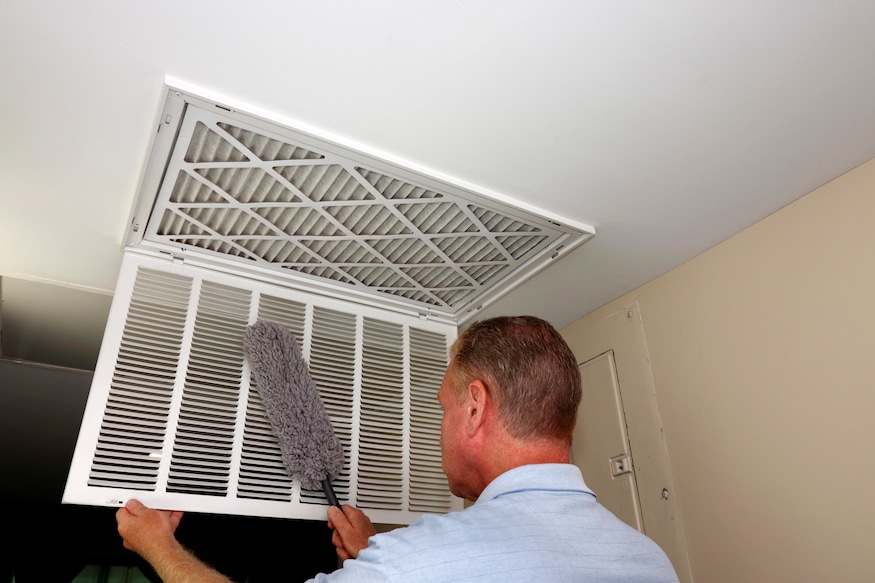
Air duct sanitizing is a professional service aimed at enhancing indoor air quality by targeting harmful microorganisms in HVAC systems. This process goes beyond standard cleaning by using antimicrobial solutions to ensure cleaner airflow and healthier indoor environments.
- Indoor air quality is essential for comfort and health in homes and businesses. HVAC systems can circulate harmful contaminants, making sanitizing necessary.
- The sanitizing process includes inspecting, cleaning, and applying EPA-approved treatments to reduce bacteria and mold spores.
- Signs that air ducts may need sanitizing include musty odors, increased allergy symptoms, and visible dust around vents.
What is air duct sanitizing?
Air duct sanitizing is the process of cleaning and disinfecting the ductwork of HVAC systems to eliminate bacteria, mold spores, dust, and other airborne contaminants. This practice improves indoor air quality, promoting a healthier environment in homes and businesses by reducing allergens and enhancing overall comfort.
Indoor air quality plays a major role in the comfort, health, and cleanliness of your home or business. Over time, HVAC systems can circulate bacteria, mold spores, dust, and airborne contaminants through ductwork, reducing overall air quality.
Air duct sanitizing is a professional HVAC service designed to help improve indoor air hygiene by targeting harmful microorganisms inside your duct system. While standard duct cleaning removes visible debris, sanitizing goes a step further by treating the ductwork with antimicrobial solutions to support cleaner airflow and healthier indoor spaces.
Whether you own a home or manage a commercial property, understanding how HVAC duct sanitizing works can help you make informed decisions about maintaining cleaner indoor air.
How Does Air Duct Sanitizing Work?
Professional air duct sanitizing follows a step-by-step process to help reduce contaminants and improve HVAC cleanliness.
Comprehensive HVAC and Ductwork Inspection
Before treatment begins, HVAC professionals inspect the system to identify contamination, moisture issues, mold concerns, or airflow problems.
What Technicians Look For
- Dust and debris buildup
- Moisture or humidity problems
- Signs of mold growth
- Odor sources inside ductwork
- Areas with restricted airflow
This step helps determine whether sanitizing, cleaning, or additional HVAC repairs may be necessary.
Air Duct Cleaning Before Sanitizing
For best results, ducts are typically cleaned before sanitizing begins.
Why Cleaning Comes First
- Removes loose dust and dirt
- Eliminates allergens and debris
- Helps sanitizing products reach duct surfaces
- Improves treatment effectiveness
Without cleaning, contaminants can block antimicrobial treatments from fully covering the duct system.
Application of EPA-Approved Sanitizing Treatments
Once ducts are cleaned, technicians apply professional antimicrobial products designed for HVAC systems.
Benefits of HVAC Sanitizing Treatments
- Helps reduce bacteria buildup
- Targets mold spores inside ductwork
- Neutralizes odor-causing contaminants
- Supports cleaner indoor airflow
- Improves HVAC system hygiene
These EPA-approved solutions are specifically formulated for HVAC duct sanitization.
Even Distribution Throughout the HVAC System
Professional equipment helps distribute the sanitizing solution across the duct network.
Areas Commonly Treated
- Return vents
- Registers
- HVAC airflow pathways
This ensures deeper system coverage and more complete air duct sanitizing.
Ventilation and Final Airflow Testing
After treatment, technicians ventilate the system and verify airflow performance.
Final Steps Include
- Air circulation testing
- System ventilation checks
- Odor reduction assessment
- HVAC performance review
This helps ensure cleaner airflow and proper HVAC function after treatment.
Key Benefits of Professional Air Duct Sanitizing
Professional duct sanitizing offers several advantages for homes and businesses focused on healthier indoor environments.
Better Indoor Air Quality
Cleaner ducts help reduce airborne contaminants circulating throughout the property.
Key Indoor Air Benefits
- Cleaner airflow
- Reduced airborne pollutants
- Fresher indoor environment
- Improved HVAC cleanliness
This is especially important for people with allergies or respiratory sensitivities.
Helps Reduce Bacteria and Mold Spores
Sanitizing targets microorganisms that standard duct cleaning may not fully remove.
Common Contaminants Reduced
- Mold spores
- Bacteria
- Germs
- Microbial buildup
- Odor-causing organisms
Reducing these contaminants supports healthier indoor air.
Eliminates Musty Odors and Stale Air
Persistent odors coming from vents may signal hidden contamination inside the duct system.
How Sanitizing Helps
- Reduces musty smells
- Freshens airflow
- Improves indoor comfort
Cleaner air often creates a noticeably more pleasant indoor environment.
Supports Healthier Indoor Comfort
Poor indoor air quality may contribute to irritation and discomfort.
Potential Benefits for Occupants
- Fewer airborne irritants
- Better breathing comfort
- Reduced allergy triggers
- Cleaner indoor atmosphere
This can benefit families, office employees, and customers alike.
Improves HVAC System Cleanliness
A cleaner HVAC system often performs more efficiently over time.
HVAC Performance Benefits
- Better airflow
- Cleaner duct surfaces
- Reduced contamination buildup
- More consistent operation
Routine HVAC sanitizing complements ongoing maintenance efforts.
Warning Signs Your Air Ducts May Need Sanitizing
Not every HVAC system requires immediate sanitizing, but several warning signs may indicate contamination.
Persistent Musty Odors From Vents
If unpleasant smells appear whenever the HVAC system runs, microbial growth may be present.
Possible Causes
- Mold growth
- Trapped moisture
- Bacteria buildup
- Dirty ductwork
Ignoring odors may allow problems to worsen.
Increased Allergy Symptoms Indoors
Poor indoor air quality may contribute to breathing discomfort.
Common Symptoms Include
- Sneezing
- Coughing
- Itchy eyes
- Nasal congestion
- Respiratory irritation
If symptoms improve after leaving the building, HVAC contamination may be contributing.
Visible Dust Around Air Vents
Excessive dust near vents can suggest contamination inside ductwork.
Signs to Watch For
- Dust buildup on registers
- Dirty vent covers
- Airborne particles indoors
- Poor airflow quality
Professional duct cleaning and sanitizing may help restore cleaner circulation.
Water Damage or Moisture Problems
Moisture is one of the biggest causes of microbial growth inside HVAC systems.
Risk Factors Include
- Roof leaks
- Plumbing leaks
- Flooding
- High humidity
- Condensation buildup
Moisture problems should always be addressed quickly.
Recent Renovation or Long-Term Neglect
Construction debris and years of buildup can affect airflow quality.
When Sanitizing Makes Sense
- After remodeling projects
- Following water damage
- After pest infestations
- If HVAC maintenance has been delayed
Older systems often benefit from professional inspection.
Air Duct Sanitizing vs. Air Duct Cleaning: What’s the Difference?
Many people confuse air duct cleaning with sanitizing, but they serve different purposes.
Air Duct Cleaning Focuses on Physical Debris
Cleaning removes visible contaminants inside ductwork.
Cleaning Typically Removes
- Dust
- Dirt
- Pet dander
- Construction debris
- Airborne particles
This helps improve airflow and HVAC performance.
Air Duct Sanitizing Targets Microbial Contaminants
Sanitizing focuses on invisible biological pollutants.
Sanitizing Helps Address
- Mold spores
- Bacteria
- Germs
- Odor-causing microorganisms
This adds another layer of indoor air quality protection.
Best Results Often Come From Combining Both Services
For cleaner indoor air, duct cleaning and sanitizing often work best together.
Why Combining Services Helps
- Removes physical debris first
- Improves sanitizer effectiveness
- Supports healthier airflow
- Reduces contamination risks
Together, they create a more complete HVAC hygiene solution.
Schedule Professional Air Duct Sanitizing Services Today
Cleaner air starts with a cleaner HVAC system. If you notice musty odors, worsening allergies, excessive dust, or declining indoor air quality, it may be time to schedule professional air duct sanitizing.
Why Schedule Service?
- Help reduce bacteria and mold spores
- Eliminate musty odors
- Support healthier airflow
- Improve HVAC cleanliness
Don’t let hidden contaminants continue circulating through your property. Schedule a professional air duct inspection today and create a cleaner, healthier indoor environment.