
Air Filter Replacement Schedule: How Often Denver Homes Need New Filters
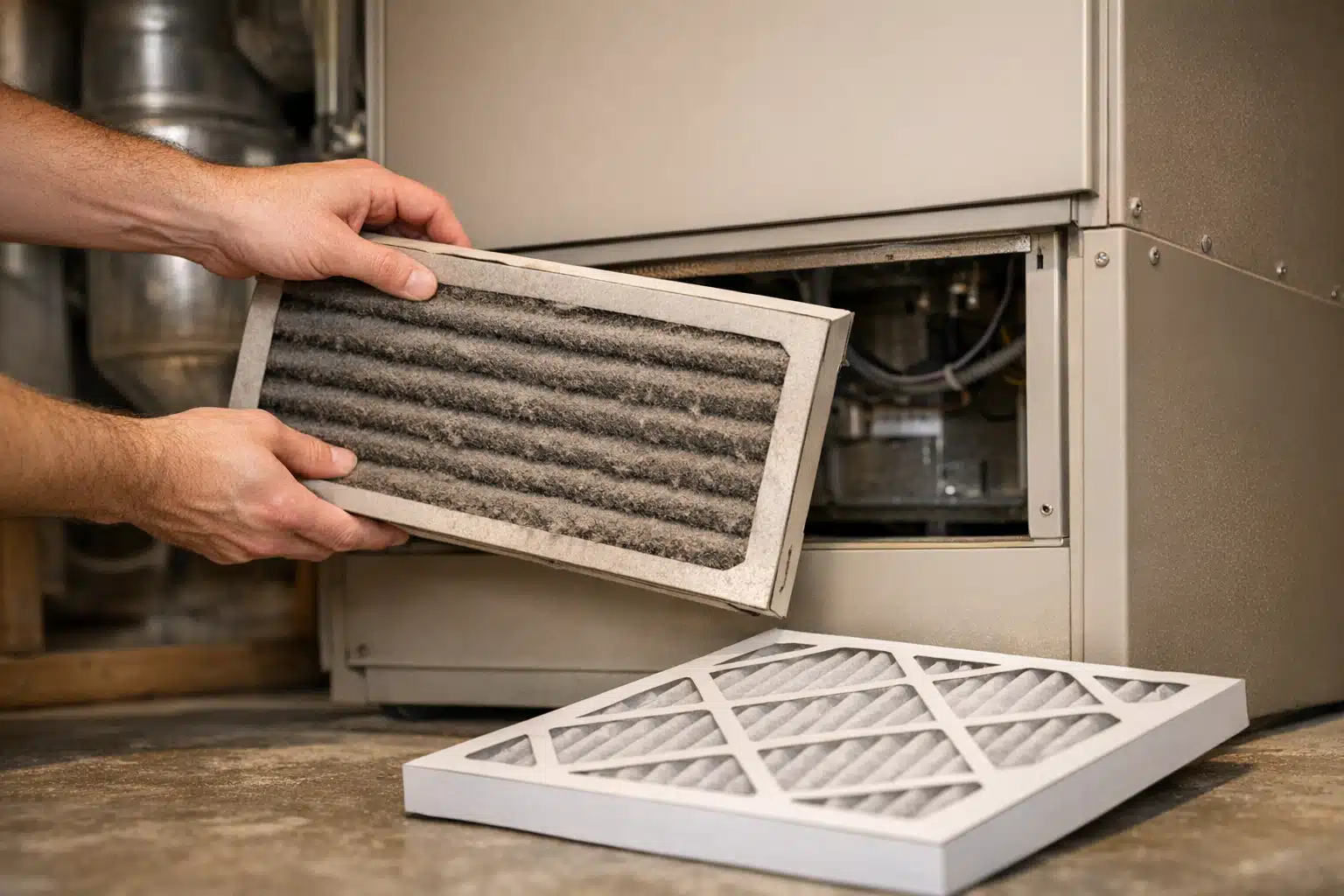
Denver homeowners should replace their air filters every 30 to 90 days, depending on local conditions and household factors. This guide outlines the optimal schedule for filter changes based on filter type, pets, and seasonal air quality.
- Most homes in Denver require filter changes every 30 to 90 days, with adjustments for dust and smoke seasons. A 1-inch filter needs changing every 30 to 45 days, while thicker filters last longer.
- Household factors like the number of pets and occupants significantly affect filter lifespan, with more pets leading to shorter intervals between changes.
- Signs of a dirty filter include weak airflow, longer run times, and rising energy bills, indicating that timely replacements are essential for system efficiency.
How often should Denver homeowners replace their air filters?
Denver homeowners should replace their air filters more frequently than in milder climates due to factors like dry air, fine dust, and wildfire smoke. A regular schedule is essential to maintain air quality and system efficiency, and homeowners should assess their specific conditions to determine the best timing.
Most Denver homeowners change their air filters far less than they should. Dry Front Range air, fine mountain dust, and summer wildfire smoke clog filters faster here than in milder climates. The right air filter replacement schedule Denver homes follow depends on local conditions, not just the manufacturer’s box.
This post breaks down how frequently to swap filters based on your neighborhood, season, and household. You will learn the warning signs of a dirty filter and when a clogged system points to a bigger problem.
The Short Answer: Air Filter Replacement Schedule Denver Homes Should Follow
Most Denver homes need a new air filter every 30 to 90 days. The exact timing depends on filter thickness, household conditions, and the season.
Here is a starting framework for the Front Range:
- 1-inch fiberglass or pleated filters: every 30 to 45 days
- 3- to 4-inch pleated filters: every 60 to 90 days
- 5-inch media filters: every 6 to 12 months
Cut those intervals in half during peak dust and smoke months. A filter rated for 90 days can choke in 45 during a bad August smoke stretch.
Why Denver Filters Clog Faster
Denver’s climate loads filters differently than coastal or humid regions. Three local conditions shorten filter life more than homeowners expect.
- Dry, dusty air: Low humidity keeps fine dust and dirt airborne longer, where your system pulls it in.
- High altitude: Thinner air means your blower moves more volume to heat and cool, cycling more particles across the filter.
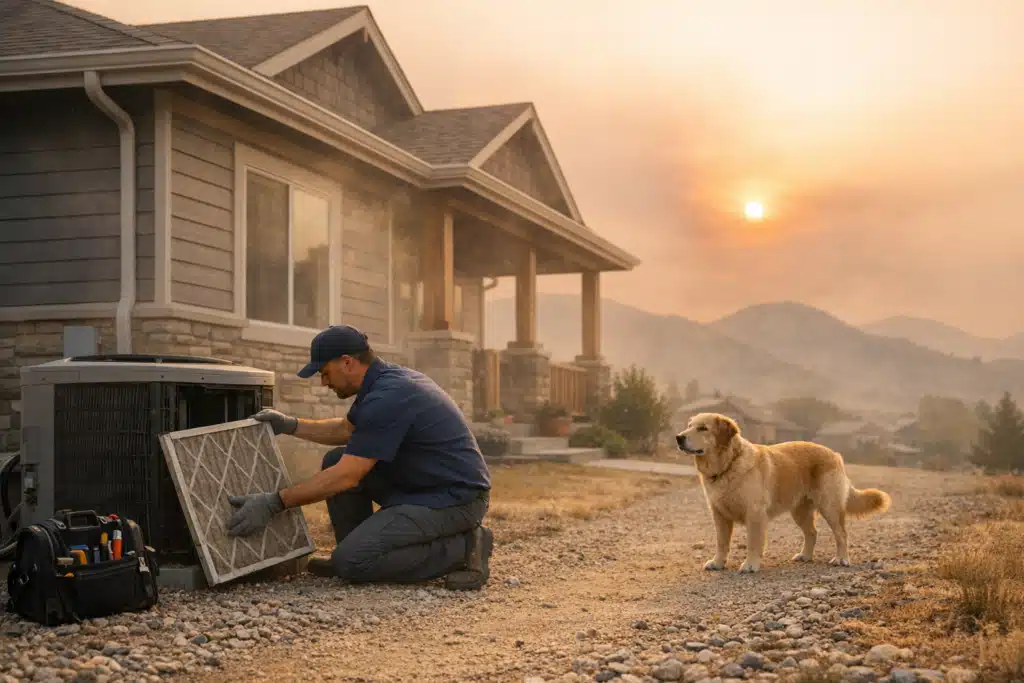
- Wildfire smoke season: Summer smoke from regional fires carries ultra-fine particles that load filters within days.
A homeowner in Aurora with two dogs and a gravel-adjacent yard replaces filters twice as fast as a downtown condo dweller. Local reality beats the box label every time.
How to Determine Your Home’s HVAC Filter Frequency in Colorado
Your ideal filter schedule comes down to five household variables. Score your home against each one to find your real interval.
1. Filter Thickness and MERV Rating
Thicker filters hold more debris and last longer between changes. A 1-inch filter has less surface area, so it clogs sooner than a 4-inch media filter.
MERV rating measures how much a filter captures. A MERV 8 to 13 range works for most Denver homes without straining the blower. Higher MERV catches finer smoke particles but needs closer monitoring.
2. Pets and Occupants
Dander, hair, and daily activity all add load to your filter. More bodies and more paws mean shorter intervals.
- No pets, one or two people: stretch toward the longer end of the range
- One pet: shorten intervals by about 30 days
- Multiple pets or allergies: check monthly during heavy-use seasons
3. Season and Air Quality Alerts
Denver’s calendar drives filter wear more than any other single variable. Two seasons demand tighter schedules.
During winter, your furnace runs long cycles against cold nights, pulling dust across the filter constantly. During summer smoke events, fine particulate loads filters at a rate that surprises most homeowners.
Check the filter after any multi-day air quality alert. A gray, matted surface means replace it now, not next month.
4. Nearby Construction and Landscaping
New-build neighborhoods in areas like Green Valley Ranch or Sterling Ranch push extra dust indoors. Open dirt lots, drywall work, and road grading all shorten filter life.
If you live near active construction, inspect your filter every two weeks until the work stops.
5. System Age and Ductwork Condition
Older systems with dirty ducts recirculate debris back onto the filter. A clean duct system keeps filters working longer and your air cleaner.
Warning Signs Your Filter Needs Changing Now
A dirty filter announces itself in ways beyond a visual check. Watch for these signals between scheduled changes.
- Weak airflow from vents even at full fan speed
- Longer run times to reach the thermostat setting
- Dust settling faster on furniture and surfaces
- A musty or stale smell when the system kicks on
- Rising energy bills without a change in usage
Hold the filter up to a light. If light barely passes through the pleats, it is overdue.
What Happens When You Skip Changes
A clogged filter forces your blower to work against resistance it was not built for. That strain shows up in three ways.
- Higher utility costs as the system runs longer to move restricted air
- Frozen coils in summer when airflow drops too low across the evaporator
- Cracked heat exchangers over time from overheating furnace components
A neglected filter is one of the most common causes of mid-winter furnace failures we see across Denver metro homes. The repair costs far more than a season of filters.
How to Replace an Air Filter Correctly
Filter changes are a safe do-it-yourself task for most homeowners. Follow these steps to do it right.
- Turn off the system at the thermostat before you start.
- Locate the filter slot at the return vent or near the furnace blower.
- Note the size printed on the old filter’s cardboard edge.
- Check the airflow arrow and point it toward the furnace.
- Slide the new filter in flush, with no gaps around the edges.
- Write the date on the filter frame with a marker.
- Restart the system and confirm airflow at a nearby vent.
Gaps around the filter let unfiltered air slip past. A snug fit matters as much as the change itself.

Seasonal Filter Schedule for the Front Range
Match your changes to Denver’s climate calendar for the best results. This rhythm keeps airflow steady year-round.
- Late winter (Feb–Mar): replace after heavy furnace season
- Spring (Apr–May): swap out pollen-loaded filters before cooling season
- Summer (Jun–Aug): check every 3 to 4 weeks during smoke events
- Fall (Sep–Oct): install a fresh filter before the first furnace run
A fresh filter before winter startup protects the furnace when it works hardest. This one habit prevents a large share of avoidable heating calls.
When Filter Changes Are Not Enough
If you change filters on schedule but still fight dust, weak airflow, or stale air, the problem sits deeper in your system. Filters catch what reaches them, but dirty ductwork keeps reloading the air.
Signs your ducts need attention include:
- Visible dust blowing from vents after a fresh filter
- Uneven temperatures between rooms
- Allergy symptoms that persist indoors
- Filters clogging far faster than expected
Duct cleaning removes the built-up debris that no filter can keep up with. Pairing clean ducts with the right filter schedule keeps Denver air cleaner and your system running efficiently.
Key Takeaways
Most Denver homes need filter changes every 30 to 90 days, shortened during dusty winters and smoky summers. Match your schedule to your filter type, pets, and local air conditions rather than the box label alone.
If your filters clog faster than they should, or dust keeps returning after changes, your ductwork likely needs cleaning. Action Air Duct helps Denver homeowners and property managers keep their systems clean and efficient. Call or text 720‑257‑3319, email tamir@actionairduct.net, or visit https://actionairduct.net to schedule an inspection.