
The Role of UV Lights in Keeping Your Ducts Clean: How Ultraviolet Technology Improves HVAC Hygiene, Air Quality, and System Efficiency
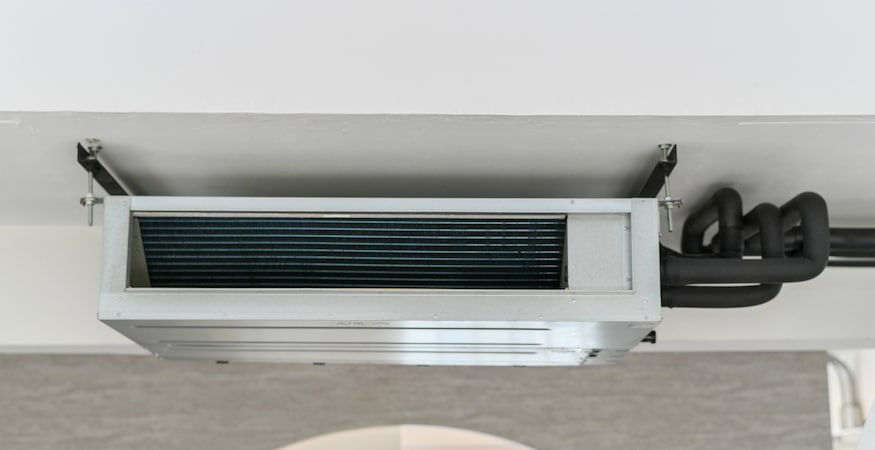
Ultraviolet (UV) lights are an effective solution for improving duct cleanliness and indoor air quality by neutralizing mold, bacteria, and other microorganisms. This technology enhances airflow, reduces odors, and boosts HVAC system efficiency.
- UV lights installed in ductwork target contaminants at their source, promoting cleaner air circulation. They help reduce mold and bacteria growth, leading to improved indoor air quality. Using UV lights can also enhance HVAC performance by reducing strain and extending system lifespan.
- Indoor air quality plays a critical role in maintaining a healthy and comfortable living or working environment, and your HVAC system is at the center of it all.
- One increasingly effective solution for improving duct cleanliness is the use of ultraviolet (UV) lights.
How do UV lights improve HVAC hygiene?
UV lights improve HVAC hygiene by being installed within ductwork to neutralize and inhibit the growth of mold, bacteria, and other microorganisms. This technology targets contaminants directly, leading to cleaner airflow, reduced odors, and enhanced system efficiency, ultimately contributing to better indoor air quality.
Indoor air quality plays a critical role in maintaining a healthy and comfortable living or working environment, and your HVAC system is at the center of it all. One increasingly effective solution for improving duct cleanliness is the use of ultraviolet (UV) lights. Installed within ductwork, UV lights help neutralize and inhibit the growth of mold, bacteria, and other microorganisms that can accumulate over time. By targeting contaminants at the source, this technology supports cleaner airflow, reduces odor buildup, and enhances overall system efficiency. As awareness of indoor air hygiene continues to grow, UV light systems have become a trusted addition for maintaining cleaner, healthier air throughout residential and commercial spaces.
Why UV Lights Matter for Cleaner Air Ducts
Indoor air quality depends heavily on the condition of your HVAC system. Over time, air ducts can collect:
- Mold and mildew
- Bacteria and viruses
- Dust and organic buildup
- Moisture-related contaminants
UV light technology helps reduce these contaminants at the source, improving airflow hygiene and overall system performance.
How UV Light Works Inside HVAC Duct Systems
UV-C light is installed inside air handling units or near evaporator coils where microbial growth is most common.
Disrupts microbial DNA to stop growth.
UV-C light damages the DNA of microorganisms such as bacteria, mold, and viruses, preventing them from reproducing and spreading.
Targets high-moisture HVAC areas
Evaporator coils and drain pans create ideal environments for microbial growth. UV lights continuously sanitize these zones.
Prevents biofilm buildup
UV exposure helps reduce sticky biofilm layers that can form on HVAC surfaces and reduce efficiency.
Supports continuous air treatment
As air circulates, UV light helps reduce contaminants before they reach living or working spaces.
Key Benefits of UV Lights in Air Duct Systems
UV light systems offer multiple HVAC and air quality benefits:
- Reduces mold growth inside ductwork
- Helps eliminate bacteria circulation
- Lowers airborne contaminant levels
- Reduces musty and unpleasant odors
- Supports cleaner HVAC coils and components
- Enhances energy efficiency and airflow performance
- Provides 24/7 low-maintenance protection
How UV Lights Improve HVAC Performance
UV technology does more than clean air—it improves system efficiency.
Improves airflow efficiency
Cleaner coils allow air to move more freely through the system.
Reduces HVAC strain
Less microbial buildup means lower resistance and reduced system workload.
Helps stabilize indoor temperatures
Cleaner systems maintain consistent heating and cooling performance.
Extends HVAC system lifespan
Reduced contamination and strain help prevent premature wear and breakdowns.
UV Lights vs. Traditional Duct Cleaning
UV lights are not a replacement for duct cleaning—they work together.
- Duct cleaning removes physical dust and debris
- UV lights control microbial growth over time
- Combined approach ensures long-term cleanliness
For best results, both methods should be used as part of regular HVAC maintenance.
Choosing the Right UV Light System
Selecting the right UV system ensures maximum effectiveness.
Use a proper UV-C wavelength
Best range: 200–280 nm for microbial control.
Install near evaporator coils
This is the highest-risk area for mold and bacteria growth.
Match system size to HVAC unit
Larger systems require stronger or multiple UV lamps.
Choose continuous operation systems.
Continuous UV exposure provides more consistent protection than intermittent models.
Ensure safe installation
UV light must remain enclosed inside HVAC equipment for safety.