
How Dirty Ducts Can Undermine Your HVAC System: Hidden Efficiency Losses, Air Quality Risks, and Costly Damage Explained
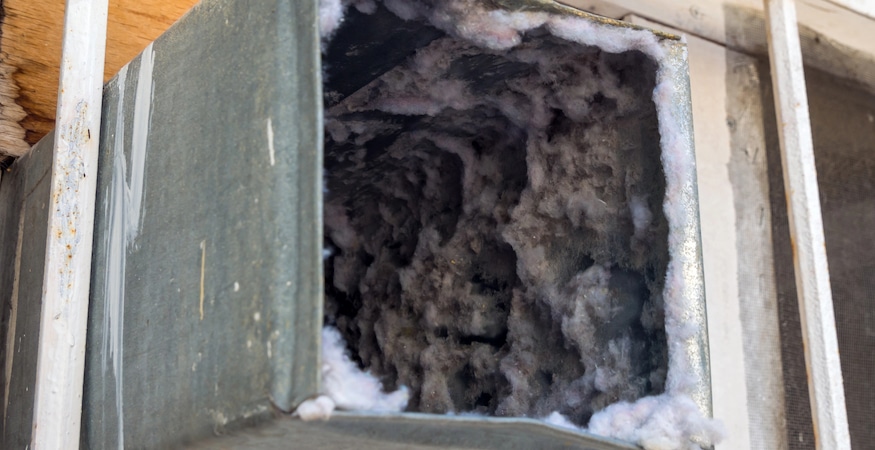
Dirty air ducts can harm HVAC efficiency, raise energy costs, and shorten system lifespan. Cleaning ducts improves airflow, reduces utility bills, and enhances indoor air quality.
- Dust and debris in ducts restrict airflow, causing HVAC systems to work harder and increasing energy consumption. This leads to higher utility bills and inconsistent indoor comfort.
- Blocked ducts create uneven temperature distribution, resulting in hot and cold spots throughout spaces. This inconsistency affects overall comfort levels.
- Professional duct cleaning enhances system performance, lowers energy costs, and promotes better indoor air quality. It also extends the lifespan of HVAC systems by reducing mechanical stress.
How do dirty ducts affect HVAC systems?
Dirty ducts can severely impact HVAC systems by reducing efficiency and increasing energy consumption. The accumulation of dust, debris, and contaminants restricts airflow, causing the system to operate harder and potentially shortening its lifespan. This can lead to higher energy bills and costly repairs.
Dirty air ducts can significantly reduce HVAC efficiency, increase energy consumption, and shorten system lifespan. As dust, debris, pet dander, and contaminants build up inside ductwork, airflow becomes restricted, forcing the system to work harder than necessary.
This not only raises utility costs but also impacts indoor comfort and air quality in both residential and commercial environments.
How Dirty Ducts Restrict Airflow in HVAC Systems
Reduced Air Circulation Efficiency
Dust and debris inside ductwork create blockages that limit airflow.
- Air struggles to move freely through vents
- HVAC system runs longer to compensate
- Overall system performance declines
Uneven Temperature Distribution
Blocked ducts cause inconsistent airflow throughout the property.
- Hot and cold spots develop in rooms
- Some areas receive weaker airflow
- Comfort levels become inconsistent
Increased Pressure on HVAC Components
Restricted airflow forces the system to work harder.
- Blower motor experiences higher strain
- Fans and mechanical parts wear faster
- Risk of system overheating increases
How Dirty Air Ducts Increase Energy Consumption
Higher Utility Bills From System Overwork
When airflow is blocked, HVAC systems consume more energy.
- Longer heating and cooling cycles
- Increased electricity usage
Reduced Energy Efficiency
Even energy-efficient HVAC units lose performance when ducts are dirty.
- Air distribution becomes inefficient
- System struggles to maintain temperature
- Energy-saving features become less effective
Continuous System Strain
Dirty ductwork forces constant overperformance.
- More frequent cycling on/off
- Reduced operational efficiency
- Increased long-term energy waste
How Contaminated Ducts Cause HVAC Wear and Tear
Accelerated Component Damage
Dust buildup increases stress on internal HVAC parts.
- Blower motor wears out faster
- Fans and coils become overworked
- Filters clog more quickly
Higher Risk of System Failures
Restricted airflow leads to overheating and mechanical stress.
- System overheating becomes more likely
- Breakdowns occur more frequently
- Repair costs increase over time
Shortened HVAC Lifespan
Continuous strain reduces overall system durability.
- Increased long-term maintenance costs
- Reduced return on HVAC investment
Benefits of Professional Air Duct Cleaning
Improved HVAC Efficiency
Clean ducts allow proper airflow and system balance.
- Faster heating and cooling cycles
- Reduced strain on equipment
- Better overall performance
Lower Energy Costs
Efficient airflow reduces energy consumption.
- Reduced monthly utility bills
- Improved system output
- Better long-term energy savings
Better Indoor Air Quality
Professional cleaning removes harmful contaminants.
- Dust and allergens reduced
- Cleaner breathing environment
Extended HVAC System Lifespan
Regular maintenance protects system components.
- Less mechanical stress
- Fewer breakdowns
- Longer equipment life